



Home textiles are among the most powerful tools in interior design for creating a cohesive and inviting living space. From cozy throws and soft bed linens to decorative cushions to elegant curtains, every element contributes to the overall look and feel of your space. However, plenty of options for fabrics, designs, and patterns are available, making it overwhelming to choose the right home textiles. If you’re wondering how to choose the right home textiles to match your décor style, this blog is for you!
Identify Your Interior Decor Style
Before shopping for curtains, cushions, or bedding, get clear on your décor style. Home textiles are meant to complement the overall aesthetic of your space, as what works beautifully in one design theme may not work well in another. To help you make the right choice, here’s a quick breakdown of the most popular décor styles and textiles that pair best with each one.
Modern & Minimalist Style
Modern décor emphasizes neutral palettes, clean lines, and a more focused “less is more” philosophy. The best home textiles for this style include:
-
Solid colors, subtle patterns
-
Geometric prints
-
Smooth fabrics like linen, cotton, or microfiber
-
Neutral tones such as white, grey, beige, and black
Avoid excessive embellishments, heavily distressed fabrics, or overly ornate fabrics that may disrupt the clean aesthetics.
Bohemian (Boho) Style
Bohemian style is all about a free-spirited approach that celebrates color, creativity, and maximalism. You can look out for:
-
Bold prints and patterns
-
Layered textiles
-
Earthy tones such as rust, mustard, and sage
-
Natural materials like cotton or jute
-
Embroideries, fringe, tassels on rugs, cushions, blankets, etc.
Traditional & Classic Style
Traditional style interiors are timeless and elegant, often featuring classic architectural details. An ideal textile for this style can be:
-
Rich fabrics like silk, brocade, and damask
-
Jacquard, velvet, high-quality cotton
-
Deep jewel tones like royal blue, forest green, or burgundy
-
Ornate floral or paisley patterns
-
Decorative trims and detailed embroidery
Farmhouse & Rustic Style
Rustic charm and soft, lived-in textures are the hallmark of farmhouse décor. Suitable textiles for this style include:
-
Neutral palettes with soft accents
-
Plaid patterns, buffalo checks
-
Natural cotton and linen
-
Stripes or simple floral patterns
-
Warm neutrals, relaxed drape
-
Braided or woven rugs and textured cushions
Contemporary Style
Contemporary interior décor style is focused on dark, moody, and architectural aesthetics that pair well with the following textile options:
-
Faux leather throws and velvet accent cushions
-
Charcoal, slate, and navy blue colors
-
Bold-abstract print rugs and concrete elements
Scandinavian Style
Scandinavian style focuses on functionality, simplicity, and natural beauty. For this style, you can choose:
-
Soft neutral shades
-
Lightweight cotton and linen fabrics
-
Subtle geometric patterns
-
Textured cushions and cozy knitted throws
Consider Your Color Palette
Once you understand your décor style, your color palette becomes your roadmap for selecting home textiles. Three reliable approaches to using color in home textiles include:
Match and blend
Choose textiles in colors already present in your room, such as furniture, flooring, and wall colors. Exact matches are not important, but the colors must work harmoniously together to create a cohesive look. For instance, monochromatic schemes can be enhanced through varying textures and shades.
Contrast and pop
Choose one or two textiles in a contrasting accent color to create visual interest. For instance, neutral rooms can benefit from colorful accent throws and cushions.
Follow the 60-30-10 rule
Interior designers use the 60-30-10 rule (60% dominant color, 30% secondary color, 10% accent color). This rule is an excellent way to introduce secondary and accent colors without overwhelming the room.
Pay Attention to Different Types of Fabric and Texture
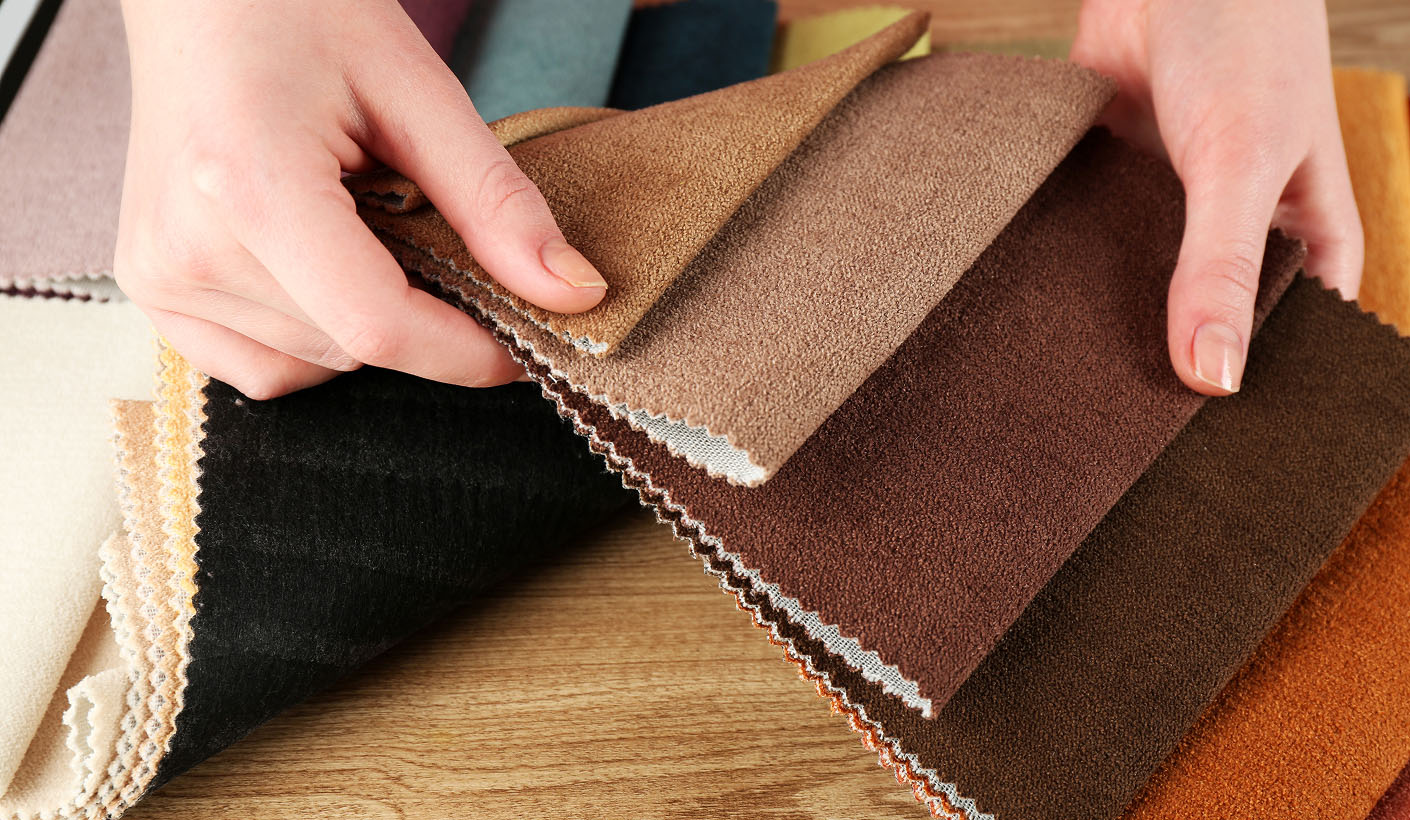
When exploring different types of textiles, the options are endless. Textures add visual interest and dimension to any interior, and different fabrics can accent your home. Here are some common types of fabrics used:
-
Cotton
Cotton is a natural fabric that is versatile, breathable, and suitable for nearly every décor style. It is available in a myriad of patterns and colors, making it ideal for cushion covers, curtains, bedding, upholstery, etc.
-
Linen
Linen is known for its lightweight, breathable nature and offers a relaxed, sophisticated appearance. The relaxed charm of linen makes it an ideal choice in modern, coastal and Scandinavian interiors.
-
Silk
Silk provides sophistication and elegance that can elevate the simplest of designs. It is best used in formal living rooms and traditional settings, making it an ideal choice for accent pillows or elegant drapes.
-
Wool
Wool creates warmth and comfort and adds a wonderful texture, particularly in farmhouse- and rustic-inspired interiors.
-
Microfiber
Microfiber has become a popular choice for modern homes because of its low maintenance, durability, and stain resistance. These properties make this fabric perfect for households with children or pets. Also, microfiber combines functionality with a sleek aesthetic, creating a smooth, polished appearance.
Layering Textiles for Depth
Professional interior designers use layering techniques that add visual interest and depth to the space. Layering creates a polished, luxurious appearance while making spaces feel more inviting. Here are a few tips to master textile layering:
-
Build from a strong foundation: Select a key textile piece, such as an area rug, to anchor the space and set the stage for the rest of your design.
-
Mix patterns: Mixing patterns can add depth and personality. To keep the entire look cohesive, choose designs that share one common color.
-
Create contrast with texture: Blend different textures to make the space visually more appealing. You can pair soft fabrics with sturdier materials such as a soft velvet cushion with a rustic, wooden bench, which provides a delightful tactile contrast.
-
Use colors thoughtfully: When layering textiles, consider the color palette of your entire room. Select fabrics that complement the surrounding colors to create a harmonious and balanced look.
Conclusion
Choosing the right home textiles is an essential way to elevate your interior space. By understanding your décor aesthetics and incorporating appropriate textures and a color palette, you can surely answer the question, “How can I choose the right home textiles to match my décor style?” Whether your home reflects modern minimalism, timeless tradition, rustic farmhouse charm, or bohemian creativity, the right textiles can bring your vision to life.
If you are seeking premium home textile solutions, Acheron Textile offers a wide range of beautiful, durable, and stylish products designed to complement every décor style. With versatile designs and quality craftsmanship, we help you create comfortable and beautiful living spaces that stand the test of time.