


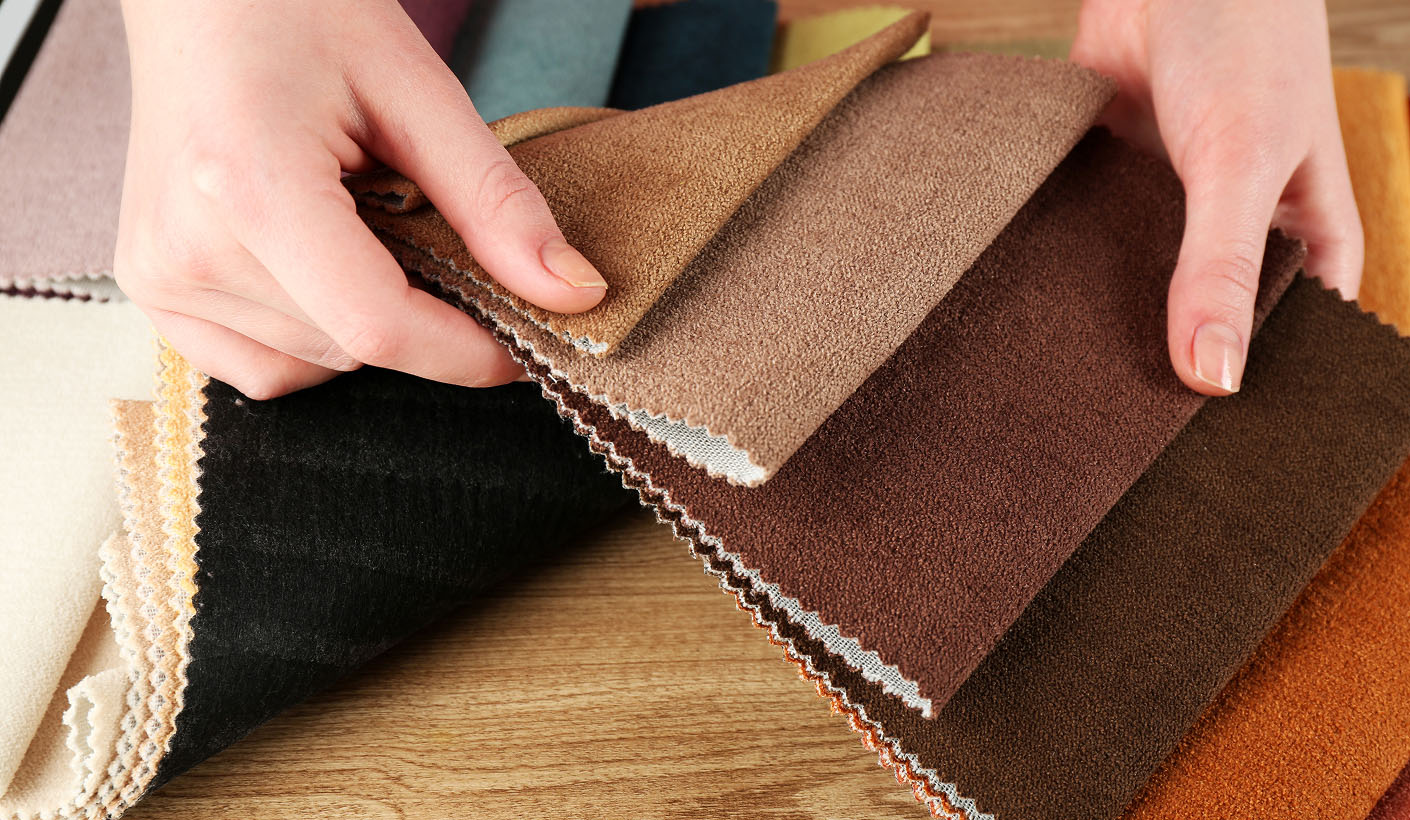


A lab coat may look like a simple garment, but fabric quality directly affects durability, comfort, maintenance, and the level of protection it provides. Different lab coat fabrics suit different working environments. In this guide, we will explore various lab coat fabric types, their properties, pros and cons, to help you make an informed decision.
Why Lab Coat Fabric Matters
A lab coat serves as a primary defense against contaminants, spills, and splashes. The key is choosing the right lab coat fabric for your workplace; otherwise, it may compromise the wearer's comfort, durability, and safety. Some lab coats use laminated or coated fabrics for added protection and better resistance to fluids and chemicals. The right lab coat fabric delivers:
-
Reliable protection against particulates, contaminants, liquids, and biological hazards.
-
High resistance to rigorous industrial washing.
-
All-day comfort with a soft hand feel.
-
A professional, crisp look that lasts longer.
-
Cost-efficiency through extended garment life.
Common Types of Lab Coat Fabric
When selecting a lab coat, fabric matters the most. Fabric options vary widely in durability, comfort, and protective ability. Let's discuss some common types:
100% Cotton Lab Coat
A 100% cotton lab coat is one of the most popular options for good reasons. It is made from natural cotton fibres known for their breathability, softness, and moisture-wicking properties. Cotton fabric promotes airflow, making it suitable for lab professionals who wear their coats for extended periods. Moreover, cotton lab coats often feature fire-resistant coatings (FR) and stain-release finishes that may deteriorate over time.
Pros
-
Breathable lab coat construction
-
Comfortable and soft feel against the skin
-
Suitable for dry laboratory work offering good absorbency
-
Withstands repeated laundering without losing its integrity
-
Suitable for clinical settings, research laboratories, educational labs
Cons
-
May shrink if not treated properly
-
Susceptible to acid spills
-
Provides limited fluid and chemical protection
-
Higher tendency to wrinkle
-
Usually more expensive than poly-cotton blends
Poly-Cotton Lab Coat
A poly-cotton lab coat combines polyester and cotton to balance comfort and durability. The ratio is commonly 65% polyester and 35% cotton, or 60/40. Poly-cotton lab coats are lightweight, breathable, and easy to wash, but they can melt at high heat, such as in college chemistry labs.
Pros
-
Durable construction.
-
Better wrinkle resistance
-
Handles industrial laundering well
-
Economical option
-
Improved color retention and shrinkage
-
Suitable for clinical settings and research labs to handle biological material
Cons
-
Less breathable than 100% cotton
-
Not suitable for labs with open flames, flammable solvents, or high heat environments
-
Limited moisture absorption
Polyester Lab Coat
Polyester is a synthetic fabric made from plastic-based fibers known for durability, easy maintenance, and robustness. Polyester lab coats resist acids and biological contaminants because their fibres don't absorb liquids. However, they pose a major safety hazard near heat sources or in highly flammable environments, such as hot plates, Bunsen burners, or flammable solvents.
Pros
-
Excellent shrinkage resistance
-
Keeps contaminants on the outer surface
-
Stain-resistant fabric
-
Generally good shape retention
-
Provides effective non-absorbent barrier against biological hazards
-
Dries quickly
-
Usually inexpensive
-
Suitable for biomedical laboratories
Cons
-
Limited airflow and breathability
-
Highly flammable and melts near heat sources
-
Less comfortable and scratchy
-
Poor suitability for environments with open flames or high temperatures
Polypropylene Lab Coat
A polypropylene lab coat is usually made from nonwoven polypropylene fabric commonly used as a disposable protective garment in laboratories. A polypropylene lab coat is lightweight, breathable, and generally provides a good barrier protection against certain biological contaminants and dust particles. Some polypropylene garments also incorporate carbon fibres to improve their antistatic (ESD) properties.
Pros
-
Convenient for single-use applications
-
Lightweight construction
-
Provides good barrier against particles, dust, and light splashes
-
Cost-effective
-
Suitable for biomedical laboratories and high-risk biohazard labs
Cons
-
Less durable than woven fabrics
-
Less breathable and less comfortable during extended wear
-
Swiftly degrades when exposed to UV lights
-
Extremely combustible near flames
Key Properties to Look for in Lab Coat Fabric
When sourcing the lab coat fabric, here are a few factors you must evaluate:
-
Breathability and wearer comfort to promote good airflow and prevent heat stress during long shifts.
-
Barrier protection to assess the garment's ability to match the facility's specific exposure risk and integrate well with secondary PPE.
-
Fluid resistance to help mitigate liquid splashes and bodily fluids under specified test conditions.
-
Chemical resistance to protect against hazardous chemical exposure and application.
-
Stain resistance to reduce stain attachment and retention and withstand frequent use and laundering.
-
Shrinkage resistance to maintain a lab coat's professional appearance and retain its intended size and fit after laundering.
-
Durability and colourfastness to withstand frequent laundering and resist pilling, fading, and fibre breakdown.
Lab Coat Fabric Comparison Table
|
Fabric type |
Pros |
Cons |
Applications |
|
100% cotton |
Soft, absorbent, breathable |
May shrink, absorb fluids, and wrinkle easily |
General lab work |
|
Poly-cotton |
Durable, easy-maintenance |
Less breathable,inappropriate to work near high heat sources |
Clinical settings and research laboratories |
|
Polyester |
Inexpensive, shrinkage resistant, dries quickly, good acid barrier |
Uncomfortable, scratchy, melts easily around heat sources and combustible solvents |
Biomedical laboratories |
|
Polypropylene |
Light, breathable, provides barrier protection against biological materials, and resists moisture absorption. |
Swiftly degrades in UV light exposure, tears easily, extremely combustible near a flame. |
Biohazard lab or semiconductor fab |
Wrap Up
Choosing the right lab coat fabric is not just about comparing fabric properties. The best lab coat selection depends on aligning the lab coat material with your workplace hazards, comfort needs, and cleaning routines. Whether you choose cotton for natural breathability, poly-cotton for durability, or single-use polypropylene, every fabric serves a distinct purpose. By understanding different types of lab coat fabrics and their properties, you can make a smart, cost-effective choice.
Acheron Textile offers a wide range of lab coat fabrics to meet the diverse requirements of laboratories, hospitals, uniform distributors, and healthcare facilities. With a focus on consistent quality and flexible customization options, we support private-label requirements and bulk orders for businesses globally.