



People mostly focus on style, colour, and fit when shopping for bathing suits or swimsuits. But one component, the bathing suit liner material, plays a crucial role in comfort, durability, and hygiene. The inner liner also helps you feel more confident and comfortable in water. This blog aims to help you better understand swimsuit lining material, how it works, and why it matters so you can make wiser choices when buying swimwear lining.
What is a Bathing Suit Lining Fabric
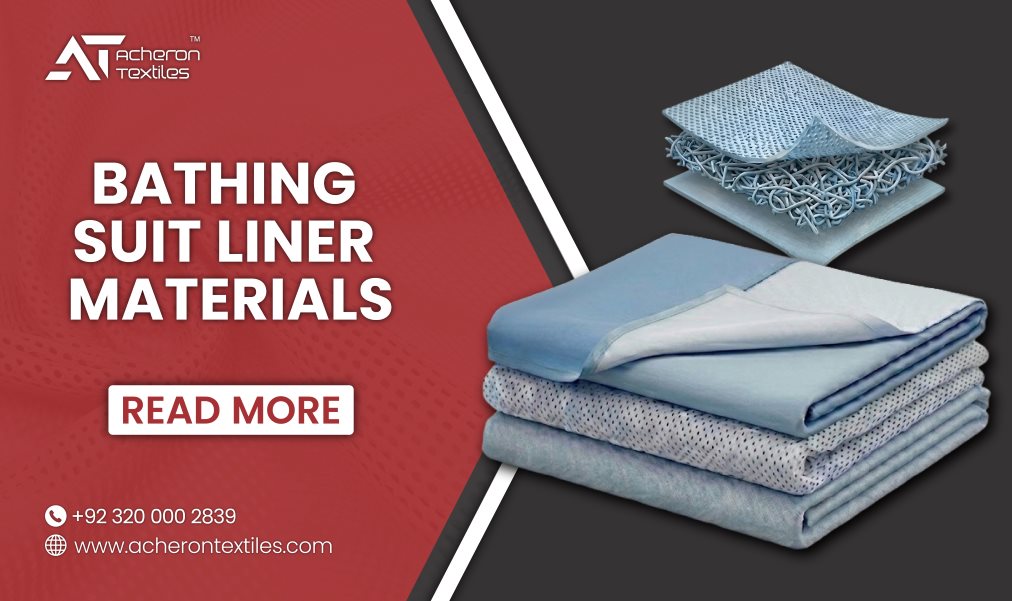
A bathing suit lining fabric is the inner layer of the fabric sewn into swimsuits, usually found in the front and crotch area for bottoms and the chest area of tops. Its primary purpose is to act as a barrier between the outer fabric and the inner body. It also improves hygiene, enhances comfort, and helps swimwear maintain its shape and structure, especially when wet.
Key Components to Look Out for in a Bathing Suit Liner
All swimwear linings are not the same. Whether you are evaluating them as a shopper or selecting the lining fabric for manufacturing, look out for these five key properties that indicate a high-quality lining:
Comfort
Swimwear linings touch the skin directly, so they must be soft and silky. Stiff or rough materials can cause discomfort, especially during long wear.
Durability
Swimwear linings must endure tough conditions, such as saltwater, chlorine, and sun exposure. Chlorine can break down fibers and reduce elasticity. Choose linings with more polyester or chlorine-resistant elastane.
Stretch & Recovery
Swimwear fabrics- both the inner lining and the outer shell- need to move with you. That means that the lining should stretch at least as much as the outer fabric so that it does not restrict movement or affect the overall fit. Equally critical is a strong recovery, meaning the fabric spans back to its original shape instead of staying stretched out over time.
Moisture Management
A good swim liner fabric should not hold onto water for long. It's better to opt for quick-drying materials that improves overall comfort of the swimsuit to dry faster. Many linings are made from knitted tricot fabric that is breathable and thin, allowing water to evaporate or pass through easily.
Opacity & Coverage
A swimsuit lining should prevent transparency, especially when wet. The lining must be opaque enough to stop see-through issues. Good-quality nylon or polyester linings in nude or matching shades are often used under light-colored swimsuits to maintain coverage.
Major Types of Swimsuit Liners
When choosing the liner material, there are generally three common fabric options:
1. Nylon
Nylon liners are very soft and flexible. They usually blend nylon and spandex (Lycra) to offer breathability and move with the fabric.
Pros
-
Strong yet soft fiber
-
Feels super light and great on skin.
-
Offers excellent 4-way stretch.
-
Provides gentle support without bagging.
-
Relatively lightweight and breathable.
-
Fast drying.
Cons
-
The spandex in nylon liners breaks down over time. This causes the liner to stretch out permanently.
-
susceptible to degradation from body oils, sunscreen, and chlorine.
-
Less chlorine and UV resistant than polyester.
2. Polyester
Polyester is one of the most widely used bathing suit liner materials that is often blended with a small amount of spandex.
Pros
-
Superior chlorine and UV resistant.
-
Endures repeated pool use without breaking down or fading quickly.
-
Ensures maximum durability.
-
Lightweight and quick-drying.
-
Excels in longevity and durability.
Cons
-
Less stretch and slightly less softness compared to nylon.
-
Less elasticity.
-
Less form-fitting.
-
Feels tighter or more restrictive if cut incorrectly.
3. Cotton
Cotton liners are less common than nylon and polyester liners, but are generally used as a bathing suit bottom liner for added breathability.
Pros
-
Gentle on sensitive skin.
-
Breathable and soft.
-
Absorbs moisture.
-
Hypoallergenic material.
Cons
-
Less durable in water.
-
Slower drying.
Care Instructions for Bathing Suit Liners
You can increase the lifespan of your swimsuit by properly caring for the lining. Since the swimsuit liners are in constant contact with sweaty, moisture-prone, and oily parts of the body, it tends to degrade more quickly than the outer fabric. Here are a few care tips to maintain the quality of your swimsuit liner:
-
Rinse your bathing suit in cold tap water immediately after use, particularly after saltwater or chlorine exposure.
-
Wash with a small amount of gentle detergent to remove body oils or sunscreens that might breakdown the elasticity.
-
Never twist the suit to wring out water, as it damages the elastic threads in the liner. Instead, gently press it with a towel to soak up excess water.
-
Hang the swimsuit in a well-ventilated, shaded area to air dry it completely. Never put it in a dryer, as the heat from the dryer weakens the stretch recovery and causes shrinkage.
Conclusion
The bathing suit line material is the foundation of your swimwear and plays a crucial role in your overall swimwear experience. Also, choosing the right liners ensures maximum comfort and confidence every time you hit the water. If you want extra soft material, accept nylon blends and look for 100% polyester liners if you want to keep them in the long run.
If you are looking for a high-quality fabric for your bathing suit lining, Acheron Textiles is the perfect choice. We combine premium materials with expert craftsmanship to produce textile products that are long-lasting and durable. Explore our collection today to feel the difference.
FAQs
What fabric is best for swimsuit lining
The best fabric for swimsuit lining is generally 100% polyester, as it is highly resistant to chlorine and UV exposure. Moreover, polyester offers superior durability, longevity, quick drying, and opacity even in saltwater conditions.
How to know if the swimsuit lining is of good quality
A high-quality bathing suit lining must be stretchy, comfortable, breathable, opaque, quick drying, and resistant to saltwater and chlorine. It should also come back to its original shape after repeated use.