



From setting a family dinner table to hosting a wedding, organizing an event, and managing a restaurant, the choice between cloth napkins and paper napkins makes a huge difference. Despite serving the same purpose, both napkins differ in terms of performance, appearance, cost, and sustainability. This guide discusses cloth napkins vs paper napkins, their uses, strengths, and limitations of each option to help you make an informed decision.
What are Cloth Napkins
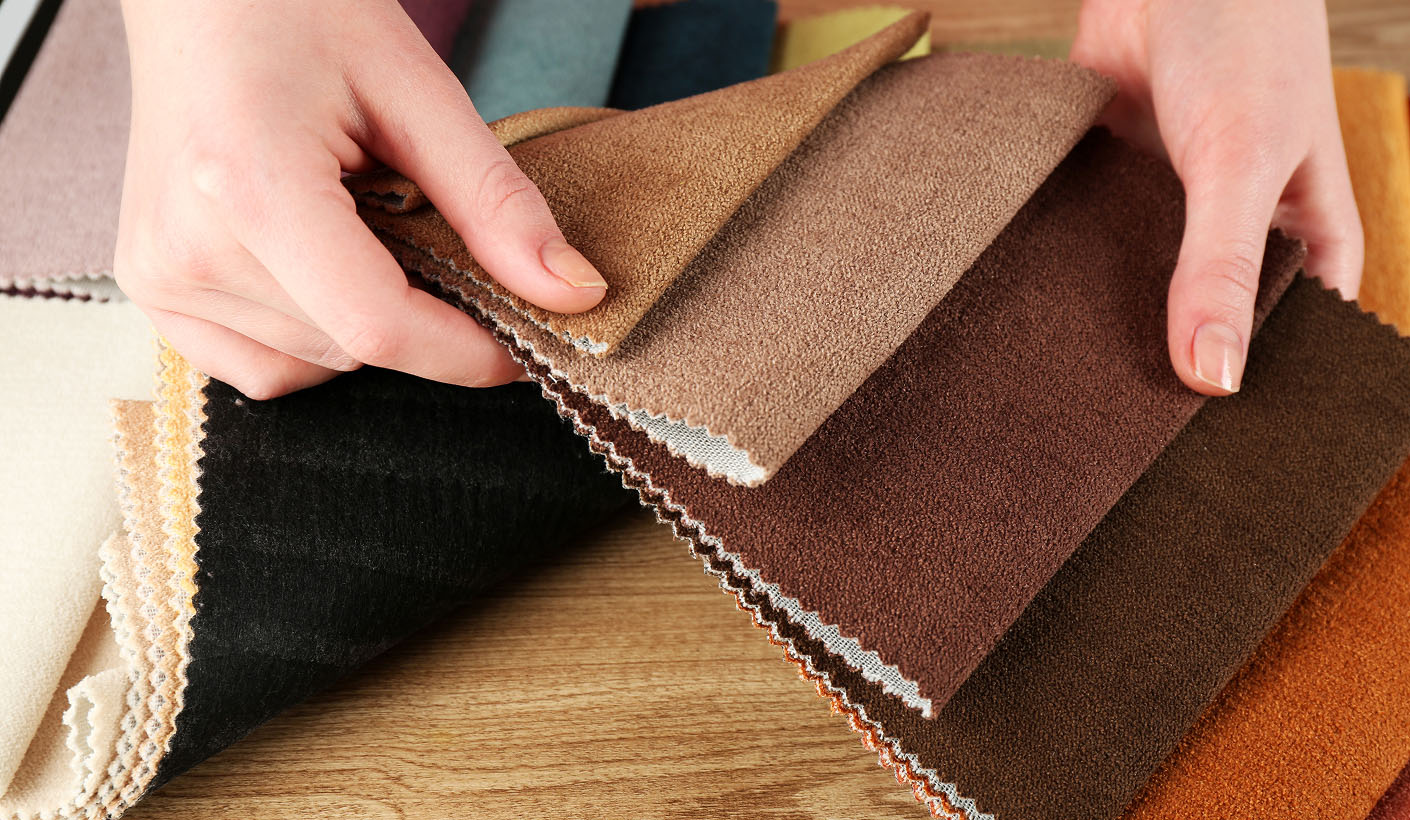
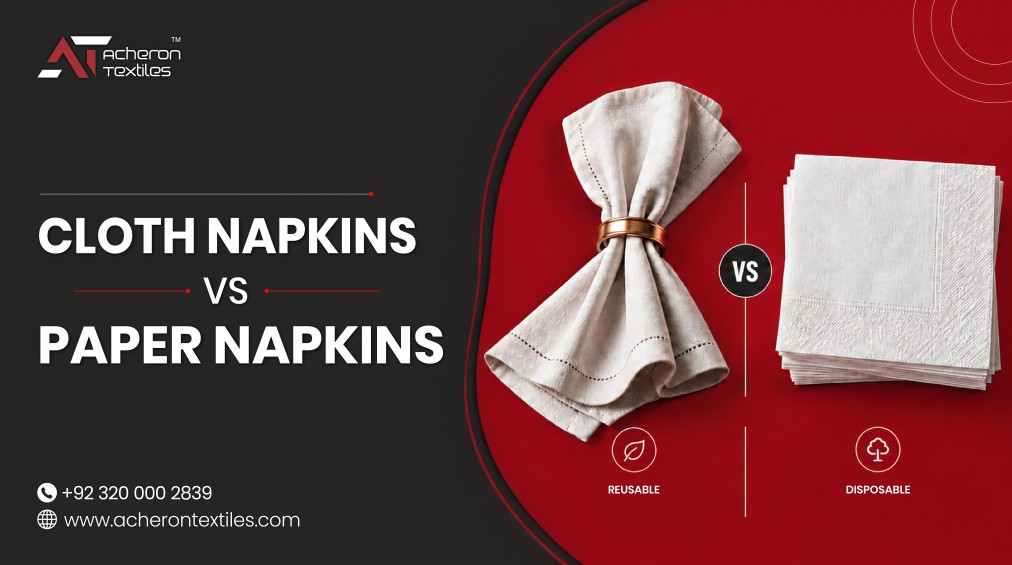
Cloth napkins are reusable table linens made from natural fibres and absorbent materials like linen, bamboo, and cotton blends. These napkins can be washed multiple times and reused while maintaining their functionality and appearance.
Practical Uses of Cloth Napkins
-
Formal dinners and dinner parties.
-
Weddings, holidays, special occasions.
-
Hospitality industry
-
Formal home dining.
-
Restaurants and hotels.
What are Paper Napkins
Paper napkins are single-use, disposable napkins made from recycled paper fibres or tissue papers. They are available in different patterns, colors, sizes, and thicknesses, making them suitable for cafes, parties, fast-food restaurants, and casual dining settings. Also, paper napkins are one of the most affordable choices, especially for high-volume use.
Practical Uses of Paper Napkins
- Fast-food and takeaway services.
- Casual meals, birthday parties, picnics, and outdoor events.
- Offices.
- Casual gatherings.
Cloth Napkins vs Paper Napkins: Key Differences
Let’s break down the comparison between these napkins across the factors that actually matter.
Absorbency
Cloth napkins are made from woven fibres and absorbent materials like cotton and linen that absorb more liquid than disposable paper. These napkins remain effective after repeated washing cycles and win on absorbent performance.
Paper napkins are usually made from wood pulp fibres, absorb spills quickly, but are less durable when wet. Thicker paper options are better at holding up, but still don’t provide the reliable absorbency you get from cloth.
Durability Factors
Cloth napkins can withstand hundreds of washing cycles and can be reused over and over again if maintained properly. Durability factors, including weave density, stitching, and fabric quality, all influence how long a cloth napkin lasts. However, they typically outlast paper by a wide margin.
Paper napkins are inherently disposable and are discarded after use. They are designed for single use and can’t be reused once they become wet.
Affordable Choices
Cloth napkins have a higher upfront cost but become increasingly cost-effective over time as they can be reused for years with proper care. Paper napkins have a lower upfront cost but require continual replacement that significantly increases long-term expenses, especially for businesses with high customer traffic.
Therefore, when it comes to cost comparison, reusable cloth napkins are more economical over time as compared to paper napkins.
Hygienic Practices
Cloth napkins are highly hygienic and safe for repeated use when used properly. Washing cloth napkins with detergent in hot water effectively removes stains and kills bacteria. However, they must be laundered after every use and stored in clean, dry conditions.
Paper napkins are sterile enough for everyday dining because they are discarded after every use, reducing the risk of contamination.
Environmental Impact
Cloth napkins have a higher environmental cost because they require water, energy, and raw materials for manufacturing. However, because they can be used multiple times, they reduce disposable consumption and cause less landfill waste. Moreover, sustainable fabrics like organic cotton and recycled textiles further enhance environmental performance.
Paper napkins are single-use products that generate ongoing waste at every stage. Even recycled versions require energy for manufacturing, packaging, and shipping, but most used napkins end up in landfills rather than compost.
Overall, reusable cloth napkins offer a smaller environmental footprint as long as they’re reused often and washed efficiently.
Easy Maintenance
Cloth napkins require washing, drying, folding, and proper storage. However, modern laundering has made maintenance much easier. On the other hand, paper napkins require no maintenance as they are simply disposed of after every use.
Cloth Napkins vs Paper Napkins: Comparison Table
|
Feature |
Cloth Napkins |
Paper Napkins |
|
Material |
Made from woven fabrics like cotton, linen, and bamboo blends |
Wood pulp, recycled paper |
|
Absorbent Materials |
Highly absorbent |
Moderately absorbent, becomes weak when wet |
|
Reusability |
Reusable multiple times |
Disposable, intended for single-use |
|
Durability factors |
Tear-resistant, strong, designed for long-term use |
Less durable, tears easily |
|
Maintenance |
Requires washing/laundering |
No maintenance |
|
Cost |
High initial investment but lower cost per use over time |
Lower initial price but recurring purchase expenses increase over time |
|
Environmental impact |
Less waste, better sustainability |
More waste due to continuous disposal |
|
Customization |
Can be printed, embroidered, or added logos and colors |
Limited customization options |
Cloth Napkins vs Paper Napkins: Which One is Right for You
Choose cloth napkins if you:
-
Prefer reusable products
-
Host frequent dinners
-
Prioritize sustainability
-
Prefer an elevated dining experience
-
Value long-term savings
Choose paper napkins if you:
-
Prefer zero maintenance
-
Prioritize convenience
-
Require rapid cleanup
-
Operate a quick-service food business
Conclusion
The choice between cloth napkins vs paper napkins comes down to your personal preferences. Cloth napkins offer a better long-term value, superior durability, appearance, and absorbency. Whereas paper napkins remain a practical solution for everyday and high-turnover settings.
Acheron Textile offers a premium collection of table napkins designed to combine durability, elegance, and practicality for both commercial and residential use. From enhancing your dining setting to excellent absorbent performance, Acheron Textile offers reliable textile solutions tailored to your requirements.