



Face masks are an integral part of everyday life. However, one must be very mindful when choosing face masks regarding their fabric and materials. Choosing the right material isn’t just about comfort; it also affects breathability, protection, and effectiveness of these protective barriers. In this blog, we’ll discuss which fabrics are used in face masks and provide a materials breakdown to help you understand their advantages and make the right decision.
Why Fabric Choice Matters
The face mask fabric ensures the mask's effectiveness and determines how well it balances breathability, filtration, and comfort. If the fabric's weave is too loose, it won't filter much, including microbes and airborne particles. Also, if the weave is too tight, you cannot breathe properly. The right face mask fabric material ensures:
-
Comfortable airflow
-
Filter airborne particles
-
Reduced skin irritation
-
Resists repeated washing
-
Shape maintenance over time
Common Materials Used in Manufacturing Face Masks
Cotton
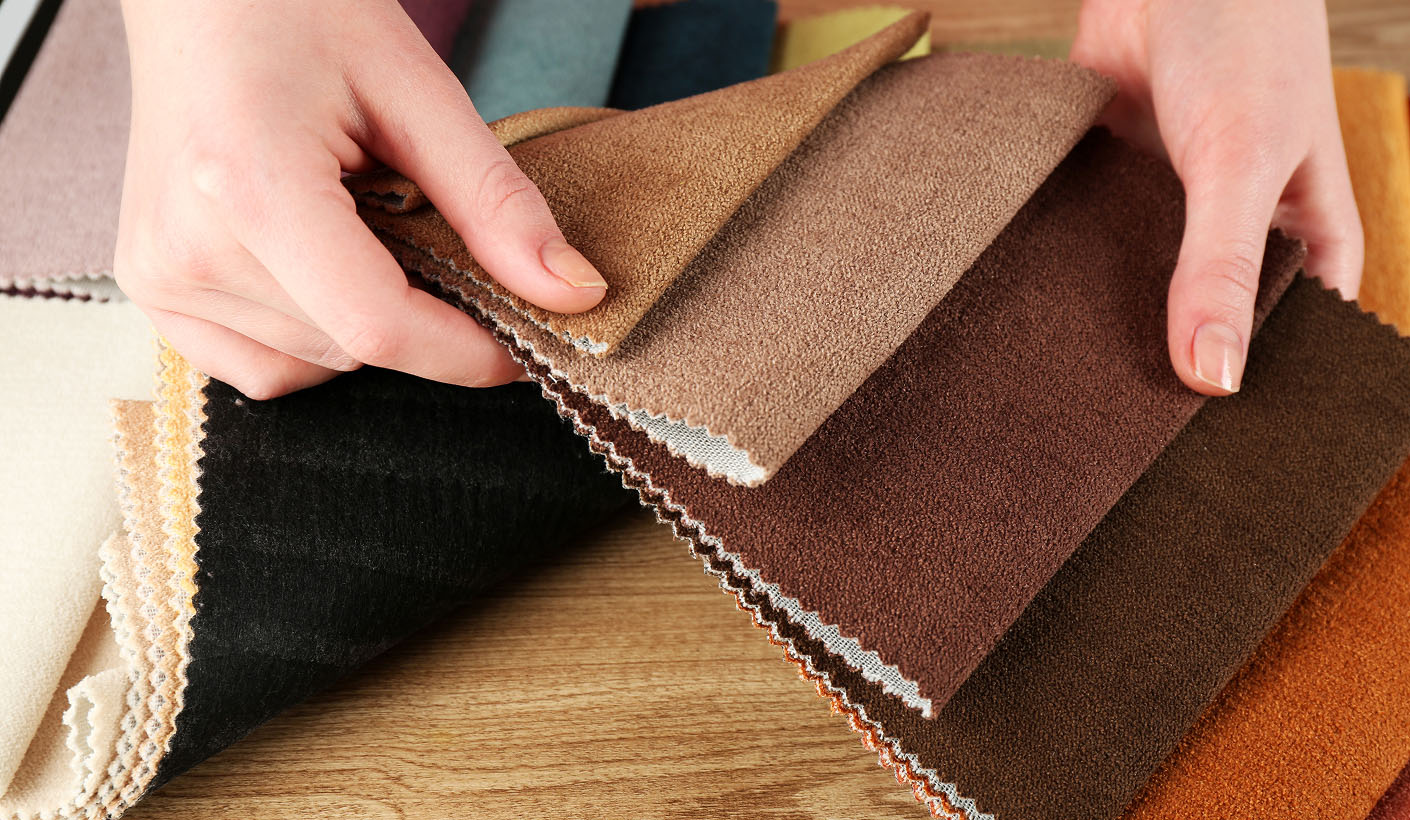
Cotton face mask material is the most popular choice among people for several reasons. High-quality cotton fabric not only provides excellent airflow but is also naturally soft against the skin and can be reused again and again. Some benefits include:
-
Comfortable fabric against skin
-
Excellent breathable fabric characteristics
-
Good moisture absorption
-
Easy to wash and use
-
Allergy-friendly material for sensitive skin
The absorbent fabric cotton face masks are widely used for everyday, reusable, office, school, fashion, and community use. Despite being an everyday favorite material, the only downside of cotton face masks is that they don't filter as effectively as synthetic non-woven materials. Therefore, cotton fabric face masks are usually paired with a filter layer rather than used on their own.
Non-woven fabric
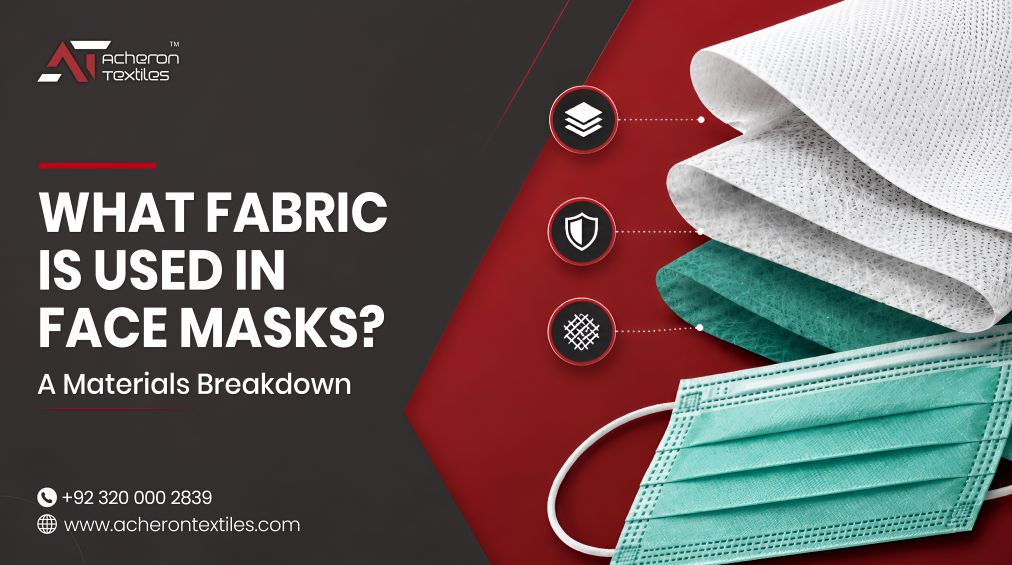
Disposable masks are mainly made from non-woven fabric (commonly propylene) rather than woven fabrics. The fibres of a non-woven fabric face mask are bonded together mechanically, chemically or with heat, creating a web-like, dense structure. This structure traps the particles exceptionally and offers numerous benefits including:
-
Excellent hygienic fabric
-
Good filtration efficiency
-
Lightweight construction
-
Disposable after use
-
Cost-effective manufacturing
Double-layer Fabric Construction
Most premium face masks are made with a double-layer (or even triple-layer) fabric design. This typically means:
-
A protective outer layer made from non-woven or tightly-woven fabric for filtration
-
An inner layer of soft material such as cotton for comfort against the skin
-
Optional middle filter layer for added protection
This layered approach offers improved durability, better filtration, increased protection and better moisture management.
Anti-Bacterial Fabric
Many face masks are now manufactured using specially treated anti-bacterial fabric. These fabrics are treated or coated with anti-microbial technologies that inhibit bacterial growth and odour-causing microbes on the masks’ surface. Some advantages of using anti-bacterial fabric masks include:
-
Improved hygiene fabric
-
Less odour development
-
Fresher masks in extended wear
-
Reduced bacterial buildup
If hygiene is top priority for you, look for masks that specify antibacterial or antimicrobial treatment, as it makes a huge difference over repeated use.
Filter Fabric
Many modern reusable masks use a filter fabric layer, typically located between the inner and outer layers. This layer serves as a primary defense against airborne particles while allowing air to pass through. Common materials used in the filter fabric layer include:
-
Melt-blown polypropylene
-
PM 2.5 filter inserts
-
Activated carbon filters
-
Electrostatic filtration media
Sustainable Fabric
With the growing demand for eco-conscious alternatives to single-use disposable masks, many manufacturers have shifted towards sustainable fabric options. Common options for sustainable fabric include:
-
Organic cotton
-
Recycled polyester
-
Bamboo-derived fibers
-
Biodegradable non-woven materials
-
Recycled cotton blends
Choose the Right Face Mask Fabric Material
When selecting a face mask, consider what matters most to your preference and situation:
-
For everyday wear: Look for cotton face mask fabric material with a double-layer fabric construction for comfort and reliable performance.
-
For maximum filtration: Choose soft cotton masks with a built-in non-woven filter layer that offers exceptional filtration.
-
For sensitive skin: Look for hypoallergenic, allergy-friendly, soft face masks that don't irritate the skin.
-
For long-term use: Choose durable material masks such as Premium cotton fabrics and quality blends that can withstand repeated washing and maintain their structure.
-
For eco-conscious buyers: Consider sustainable fabric options such as organic cotton or recycled materials.
Conclusion
Understanding the face mask fabric material makes it easier to select the one that balances protection, comfort and durability. While non-woven fabrics are usually used for disposable surgical masks, cotton is generally the ideal choice for reusable face coverings due to its breathability, softness, and ease of use. However, today's masks are built from a thoughtful combination of materials that work together to achieve the ideal balance of comfort and long-term durability.