



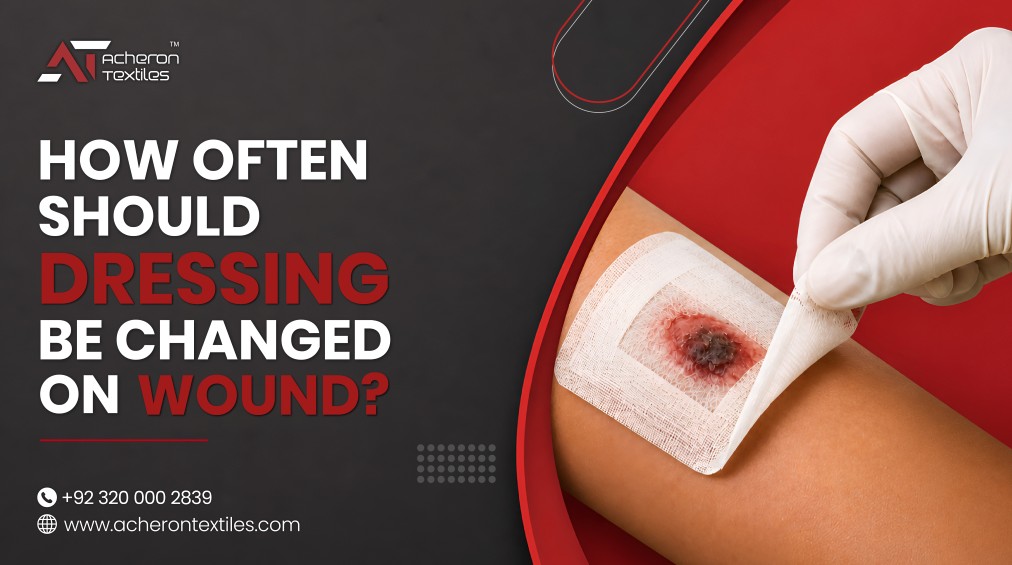
Proper wound care plays a vital role in the healing process. However, finding the right dressing change schedule is the key to effective wound management. One must know how often a dressing should be changed on a wound because changing a dressing too frequently can disrupt healing, or leaving it on for too long can increase the risk of infection. This blog aims to explore how often to change wound dressings, the factors that influence dressing change frequency, and best practices for safe wound care.
Why Changing Wound Dressing Matters
A wound dressing not only covers a wound but also protects against infection, manages moisture, and creates the right environment for healing. Apart from keeping the wound clean, a quality wound dressing helps:
-
Maintain optimal moisture levels.
-
Protect the wound from contaminants and bacteria.
-
Minimizes trauma during dressing removal.
-
Absorbs excess wound drainage.
-
Reduces pain and irritation.
Factors Determining How Often Should a Dressing Be Changed on a Wound
The frequency of wound dressing changes depends on various factors, including:
Type of Wound
Different wounds heal at different rates and require different care approaches.
-
Acute wounds include surgical incisions or minor cuts that generally require fewer dressing changes but frequent monitoring.
-
Chronic wounds, including pressure injuries, involve specialized dressings that can be left in place for extended periods.
Amount of Drainage (Exudate Level)
The wound fluid level is also a crucial factor for wound dressing changes.
-
Low-exudate wound dressings may remain in place for several days.
-
Moderate-exudate wound dressings may require replacement every 1-3 days.
-
Higher-exudate wound dressings may require daily, or even multiple daily, changes.
Type of Dressing
Not all dressings are built the same. Different dressing materials have varying wear times. Common examples include:
-
Basic gauze dressing: Dries out quickly, absorbs limited moisture, and usually requires daily replacement, sometimes twice a day.
-
Advanced dressings: This includes hydrogels, foam, alginates, or hydrocolloid wound dressings that are designed to stay in place for 2 to 7 days depending on the wound condition.
-
Transparent film dressings: Suitable for wounds with minimal drainage and can often remain in place for up to a week unless they loosen or fill with excess fluid.
Here’s a quick guide to how often you need to change wound dressing based on the dressing type:
|
Dressing |
Change Frequency |
Best For |
|
Basic gauze |
Daily or more often |
Quick absorption (not moisture retentive) |
|
Hydrocolloid |
3-7 days |
Low to moderate wound exudate |
|
Alginate |
1-3 days |
Moderate to heavy wound exudate |
|
Foam |
2-4 days |
Excellent absorption and cushioning |
|
Film |
3-7 days |
Minimal/low wound exudate |
If you’re looking for high-quality wound care supplies, Acheron Textile has a wide range designed to support effective and safe wound management.
Signs of Infection
If there’s indication of infection, dressings usually require more frequent changes along with prompt medical assessment. Watch for:
-
Increased redness
-
Increased pain
-
Fever
-
Swelling
-
Pus or unusual discharge
-
Leaked dressing
-
Warmth around the wound
-
Unpleasant odor
Signs You’re Changing It Too Often
It’s natural to check on a wound frequently, but overhandling can actually delay the healing process. If you’re changing it more often than necessary, it can:
-
Disturb the moist wound environment that supports healing.
-
Cause unnecessary pain or discomfort.
-
Damage delicate, new, fragile tissues.
-
Increase the risk of bacteria introduction into the wound.
Signs a Wound Dressing Should Be Changed Immediately
Regardless of the recommended wear time, you must change the wound dressing immediately if you notice:
-
The dressing becomes too dirty, loose, or no longer securely attached.
-
The dressing is wet, leaking, or soaked through.
-
The patient is showing signs of infection such as unusual discharge, swelling, or heat around the infected area.
-
The patient develops a fever alongside wound changes.
How to Change a Wound Dressing Safely
Here are some basic steps you should follow:
-
Wash your hands thoroughly with soap and water.
-
Prepare clean dressing supplies.
-
Carefully remove the old dressing.
-
Clean the wound as suggested by your healthcare professional.
-
Apply a new sterile dressing.
-
Secure it properly without making it too tight and restricting circulation.
-
Wash your hands after completing the changing procedure.
Conclusion
Knowing how often should a dressing be changed on a wound is crucial for effective wound care. However, the right wound dressing changing frequency depends on the type of wound, dressing material, amount of drainage, and the progress of the healing process. Following the best practices for wound care management helps reduce complications and supports a smoother and quicker healing process.