


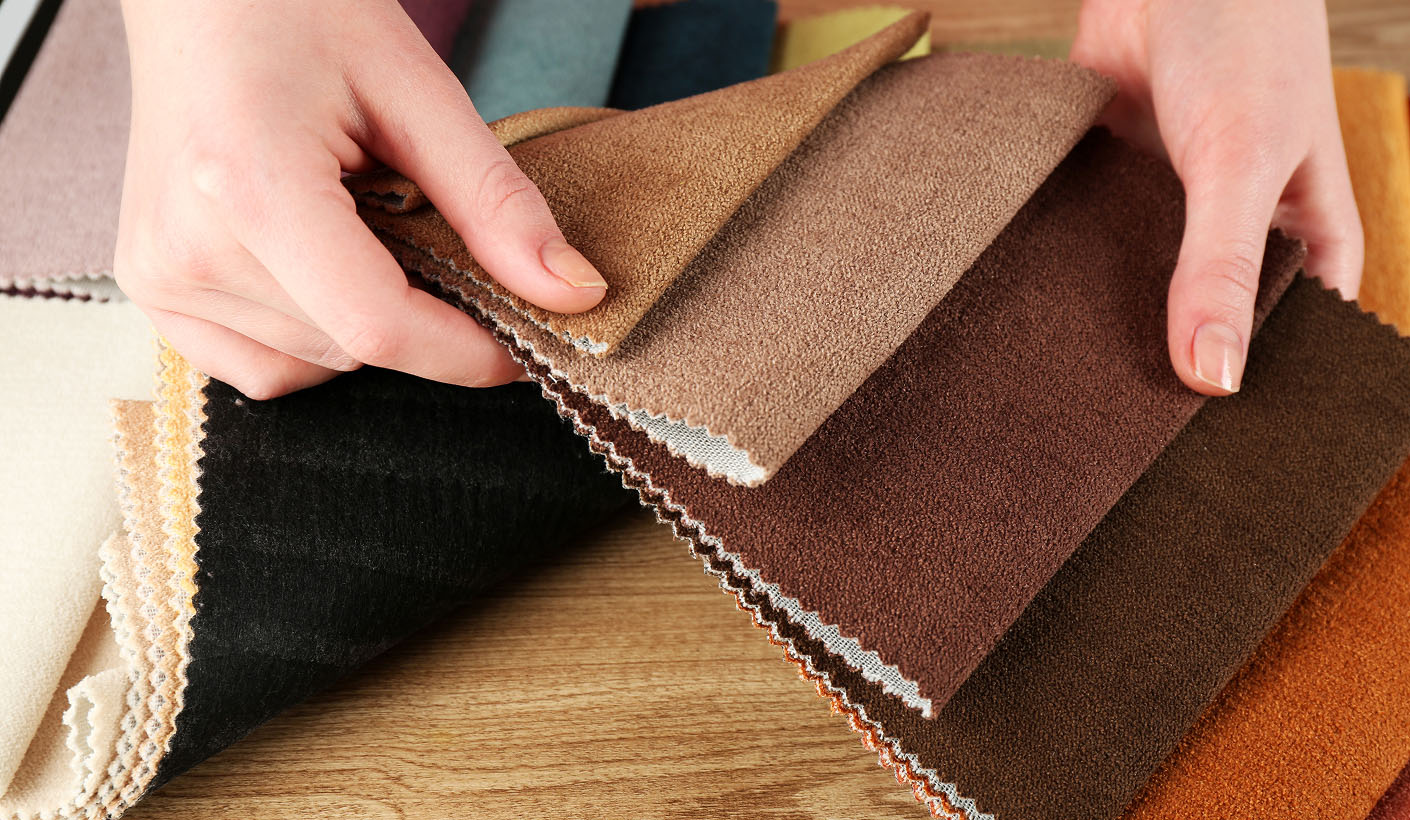

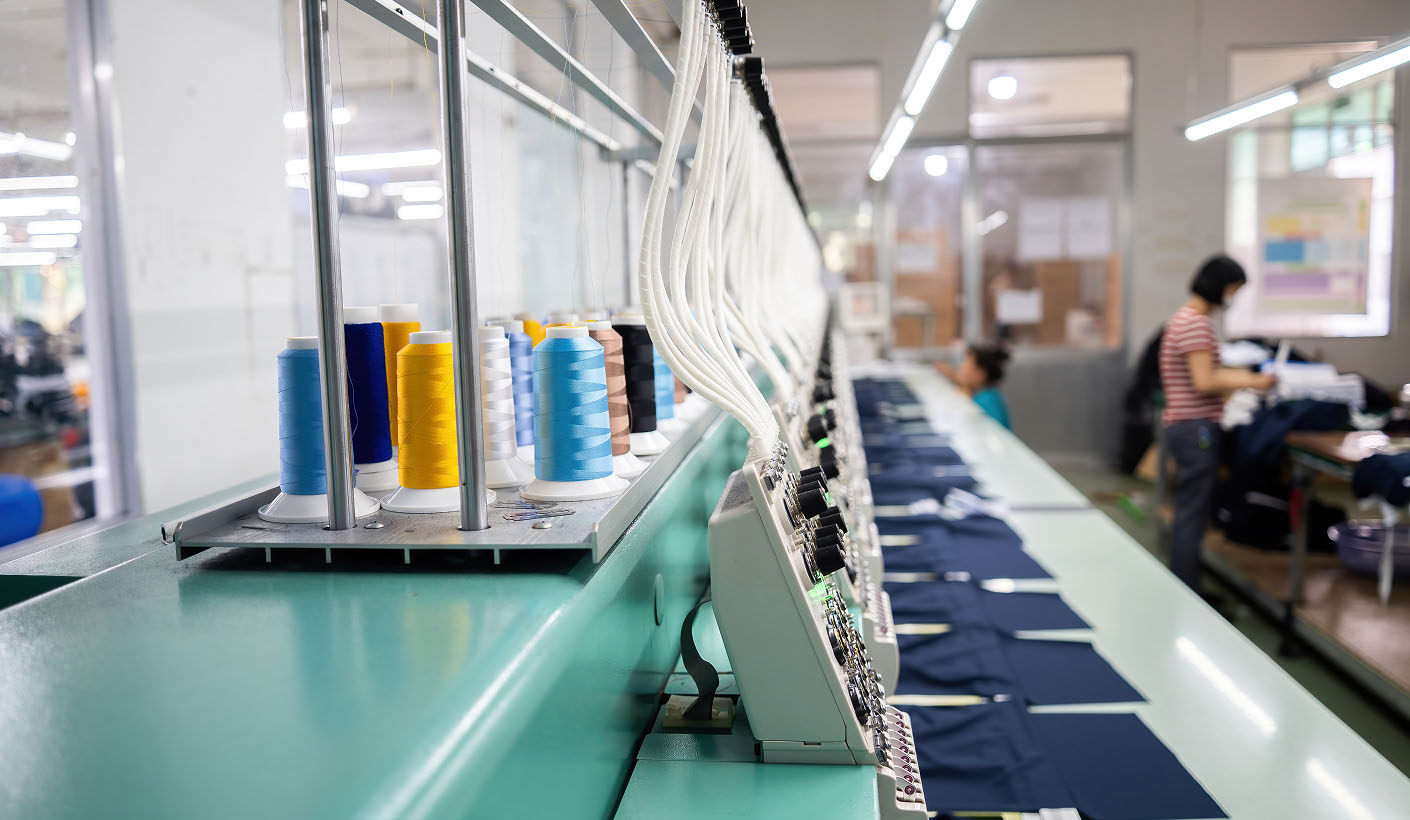
The textile industry is vast and plays a vital role in our daily lives. From home furnishings and clothing to industrial applications, fabrics are everywhere. However, there is a wide range of textile fabrics, each with its own weight, purpose, drape, and texture. In this blog, we will explore different kinds of textile fabric, their characteristics, different fabric textures, uses, and benefits to help you choose the right material for your specific needs.
What is the Purpose of Fabric
Before exploring the list of fabrics, let’s understand why the fabric matters. Understanding the right types of fabric materials helps boost performance across diverse applications. Different textile fabric types serve different purposes that go far beyond simply covering the body. Fabrics provide:
-
Warmth and insulation
-
Comfort and protection
-
Hygiene and safety
-
Fashion and style
-
Decorative and aesthetic appeal
Main Categories of Textile Fabric Types
There is a wide variety of fabric available today that is generally grouped into three broad categories. Knowing which category a fabric belongs to provides a valuable insight into its texture, durability, performance, and maintenance needs.
Natural Fabric Types
Natural fabrics are derived from plants, animals, or mineral sources. They are among the oldest types of clothing material used throughout history and remain the gold standard for their breathability, comfort, eco-friendliness, and durability. Some natural fabric types include:
Cotton
Cotton is one of the most widely used textile fabrics, known for its versatility, softness, breathability, and moisture-wicking properties. Also, it comes in a wide range of fabric weights and is spun into plain woven fabric, heavier canvas, and even structured twill. Additionally, cotton is available in standard weave, jersey, or poplin but can wrinkle easily.
Common uses:
-
Bedsheets
-
T-shirts
-
Medical textiles
-
Towels
Linen
Linen is made from flax fibers, making it one of the most durable and strongest types of cloth. This fabric is valued for its breathability and crispness, offering exceptional moisture absorption. Also, it is slightly textured at first but becomes softer with each wash. Linen is ideal for hot and humid climates due to its excellent cooling properties.
Common uses:
-
Summer clothing
-
Home décor
-
Table linens
Silk
Silk is one of the most prestigious dress fabric types produced by silkworms. This fabric is known for its glossy texture and brilliant shine. Moreover, silk is a breathable, smooth, and lightweight fabric that regulates temperature in both heat and cold.
Common uses:
-
Scarves
-
Formal wear
-
Jacket linings
-
Luxury bedding
Wool
Wool is one of the original soft fabric types that is sourced from sheep and delivers serious warmth without bulk. This fabric ideally traps heat, wicks moisture, and offers excellent insulation.
Common uses:
-
Coats
-
Blankets
-
Sweaters
-
Outerwear
Synthetic Fabric Types
Synthetic fabrics have revolutionized the textile fabric types available in the modern market. They are manufactured using chemical compounds, primarily derived from petroleum, and are valued for their wrinkle resistance, flexibility, and durability at an accessible price point. Here are some common types of synthetic fabrics:
Polyester
Polyester is one of the most common fabric materials in the fashion industry. This fabric is known for its shape retention, strength, and wrinkle-resistance, making it a low-effort choice for everyday wear. Also, it has a smooth texture and offers stain resistance, making it a reliable option for products that require long-lasting freshness with minimal care. However, it is less breathable than natural fibers.
Common uses
-
Sportswear
-
Outerwear
-
Uniforms
-
Upholstery
Nylon
Nylon is an extremely strong, elastic, and abrasion-resistant fabric that was initially developed as a silk substitute. This fabric dries quickly, is lightweight, and has a slight sheen. Moreover, nylon absorbs less moisture than cotton but holds up against friction and repeated use, offering balanced stretch, strength, and style.
Common uses
-
Swimwear
-
Outdoor gear
-
Hosiery
-
Activewear
Spandex
Spandex can stretch up to 600% of its original length and is often blended with other fabrics in small percentages to enhance their elasticity. Spandex is essential in modern types of clothing material for activewear, offering superior flexibility that can be blended into any item that needs to stretch without losing its shape.
Common uses
-
Leggings
-
Athletic wear
-
Swimwear
Blended/Semi-synthetic Fabric
The cloth material names in the blended fabric category fall between natural and synthetic. These fabrics combine natural and synthetic fibers to improve performance and strike a balance. Additionally, they combine the softness of natural fibers with the practicality of synthetics. Here are some common combos of blended fabrics:
-
Cotton-spandex blends
-
Cotton-polyester blends
-
Linen-cotton blends
-
Wool-polyester blends
Some commonly used semi-synthetic fabrics include
Rayon/Viscose
Rayon is a soft, versatile, and budget-friendly fabric that is known for its smooth finish. This fabric is derived from wood pulp and is one of the most popular types of soft cloth. Moreover, it drapes beautifully and has a silk-like sheen. Rayon’s plain weave construction gives it a refined, polished appeal that fits both casual and semi-formal pieces. Although it is not as durable as some other types of fabric, it makes up for it in versatility, comfort, and softness.
Common uses
-
Linings
-
Blouses
-
Dresses
Chiffon
Chiffon is an ultra-lightweight, sheer fabric with a slightly rough texture from its twisted yarns. This fabric flows and floats beautifully and is one of the most beloved types of fabric for dresses.
Common uses
-
Scarves
-
Overlays
-
Gowns
Velvet
Velvet is one of the oldest entries on the list of textiles that were historically a sign of wealth and royalty. This fabric is characterized by its dense cut pile, which gives it a distinctive soft sheen. Velvet can be made from cotton, silk, or synthetic fibers, and it has a rich, deep shine that gives it an expensive look. Moreover, this fabric is ideal for winter clothing and is also great for making home accessories and furniture, such as sofas, poufs, or armchairs.
Common uses
-
Upholstery
-
Winter wear
-
Curtains
Choosing the Right Fabric for Your Needs
There are more than 100 types of fabric available in the textile industry, and choosing one can be difficult. Whether you are building a brand or customizing clothes to sell online, choosing the right fabric saves your money, time, and effort. This is so because the choice of fabric directly impacts how your product feels, looks, and lasts. Consider the following factors while choosing the fabric:
-
Intended use
-
Durability needs
-
Printing compatibility
-
Maintenance requirements
-
Cost considerations
-
Climate conditions
-
Sustainability goals
Conclusion
The clothing material list is too long, ranging from natural fibers to advanced synthetic materials. With so many kinds of textile fabrics available today, the choice can feel overwhelming. However, understanding different types of fabric material, their uses, and functionality enables consumers and businesses to make better purchasing and manufacturing decisions.
Acheron textile offers premium-quality fabrics tailored to meet modern industry needs. From natural and synthetic fabrics to blended fabrics, our products are crafted to ensure excellence in every meter. If you are looking for premium-quality textiles that combine comfort, durability, and consistent performance, contact us now.