



Full-time Automation and Precision Control
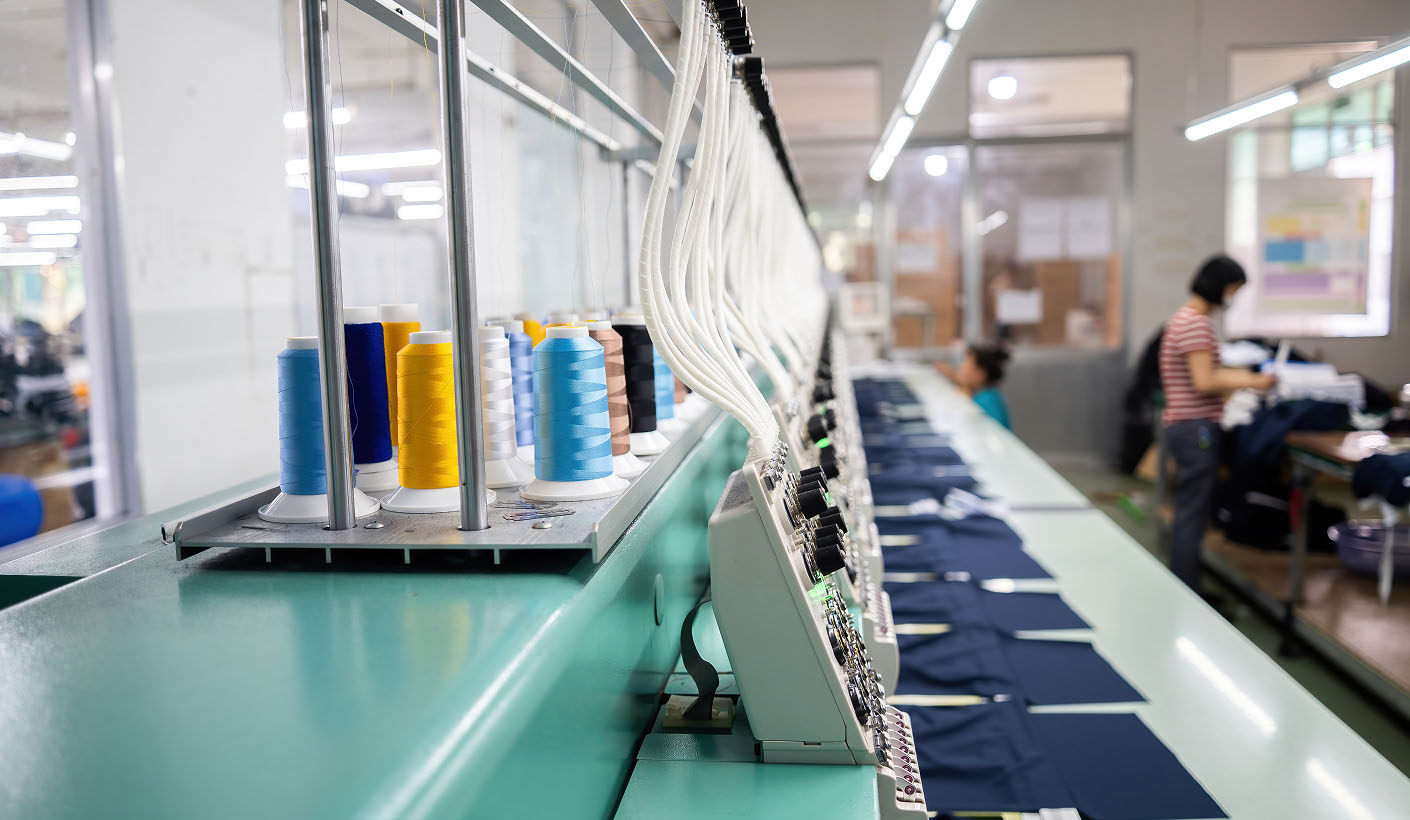
Automation has become a defining feature of the new non-woven machinery. Modern lines are equipped with fully automated process control, improving operational stability and minimizing manual intervention. The advanced control systems manage critical parameters such as speed, pressure, and temperature across processes ranging from melting and extrusion to winding and packaging, ensuring consistent fabric quality. In machines such as Spunbond lines and PP Spunbond, automation precisely regulates the extrusion process, resulting in more uniform nonwoven fabrics and significantly reducing production defects.
Additionally, modern non-woven machines also integrate real-time monitoring technologies. These integrated sensors continuously measure key fabric characteristics such as weight, texture, and tensile strength. Moreover, integrating these automated systems with a factory-wide management platform enables operators to control multiple production lines from a centralized location. The moment any deviation is detected, the system reacts instantly and adjusts parameters to maintain ideal conditions. This proactive approach results in less waste material, fewer defects, lower energy consumption, and a more sustainable production process.
Energy Efficiency Engineering and Sustainability
Modern non-woven machinery is designed to reduce energy use through smarter engineering. New models are equipped with low-energy heating systems, energy-efficient motors, and improved filtration units. These innovations help reduce electricity consumption and lower the environmental production footprint.
Furthermore, many new model nonwoven machines are engineered to process recycled polymers, turning plastic waste into useful fabric. This extrusion system reduces the need for new raw materials and also reduces waste and environmental pollution. Also, new technologies are integrated into non-woven machines that minimize the release of volatile organic compounds (VOCs) during the non-woven manufacturing process. Advanced ventilation systems and the development of low-VOC polymers help manufacturers meet emissions standards while aligning with consumer demand for eco-friendly industrial practices.
Innovations include:
-
Heat recovery technologies
-
Intelligent heating systems
-
Optimized airflow management
-
Variable frequency drives (VFDs)
-
High-efficiency motors
IoT Integration and Data-Driven Insights
The incorporation of Internet of Things (IoT) technology is transforming non-woven machinery into a data-driven asset. IoT-enabled systems capture real-time operational data, offering a clear window into performance, output and maintenance needs.
Smart sensors placed on extruders, heating systems, and spinnerets detect irregularities and early warning signs of wear before they escalate into failures. This predictive approach keeps the production flowing, reduces unplanned downtime, enhances operational efficiency, and extends machinery lifespan.
Advanced Needle Punching Techniques
Needle punching is one of the most crucial processes used in nonwoven fabric production. With significant improvements in recent years, the Needle Punch Fabric Making Machine has evolved to deliver higher-quality fabric more efficiently. The needles of these machines are made from high-tensile materials featuring optimized tip geometries. This design allows for more precise penetration of the fabric, resulting in more uniform, durable, and high-quality non-woven fabrics.
Moreover, advanced drive systems in needle-punching machines provide precise control of needle movement, enabling better synchronization among machine components. Some advanced models also offer multi-axial punching, which allows needles to engage fibers at different angles, thereby boosting the fabric’s overall strength and stability.
Precision Slitting and Winding Technologies
Slitting and winding are critical stages of nonwoven manufacturing. Recent technological advancements have greatly improved and impacted their precision and efficiency. Modern PP Nonwoven Fabric Slitting Machines now feature high-precision blades and advanced cutting systems, delivering accurate, clean, and straight cuts. The cutting systems are fully adjustable for both speed and width according to the customer requirements, allowing greater flexibility in the production process.
In terms of winding, newly designed units offer superior tension control, ensuring fabric rolls are wound evenly and securely, without uneven layers or wrinkles. Furthermore, many modern winding machines include an automatic splicing system that enables seamless fabric joining during winding and optimizes the overall workflow.
Latest innovations include:
-
Laser-guided cutting technology
-
Automatic tension control systems
-
Digital quality monitoring
-
High-speed winding mechanisms
Advanced Spunbond and Meltblown Technologies
Spunbond and meltblown remain the backbone of non-woven production, especially in hygiene and medical sectors. However, the technology inside them has changed significantly, enabling better fiber uniformity, improved filtration efficiency, and higher tensile strength. Modern spunbound lines now feature:
-
Upgraded filament cooling methods
-
Enhanced polymer distribution systems
-
Lower usage of raw materials
-
Better fabric uniformity
-
Higher throughput capacities
Similarly, advanced meltblown machinery creates extremely fine fibers with superior filtration properties. This characteristic is ideal for applications such as purification filters, medical face masks, and personal protective gear.
High-Speed Production Capabilities
One of the most significant advancements in modern nonwoven machinery is its ability to sustain exceptionally high output rates while maintaining superior-quality fabric. Most of the newest models can operate at speeds of up to 600 meters per minute, prompting manufacturers to develop faster solutions in high-demand sectors such as automotive interiors, medical textiles and hygiene goods. New-generation machines offer:
-
Enhanced process stability
-
Higher speed lines
-
Reduced downtime
-
Improved fiber formation
-
Increased throughput
The integration of automation with high-speed production significantly boosts output while lowering labor costs. Despite operating at high speeds, the fabric quality is not compromised. Also, the modern machines preserve exacting precision, ensuring every roll meets strict industry standards.
Modular Machinery Design
One of the latest innovations in modern nonwoven machinery is the growing emphasis on modularity. Modern spunmelt production lines are built with flexibility as their core, allowing manufacturers to serve diverse markets with changing product requirements. This flexible architecture allows adjustments in functional characteristics, basis weight, and even working widths to match specific product specifications and factory layouts.
Modern nonwoven production lines are now designed with modular architectures that allow manufacturers to:
-
Adapt to different fabric specifications
-
Upgrade existing systems cost-effectively
-
Expand production capacity
-
Add new processing modules
This approach not only provides exceptional operational flexibility but also extends the lifespan of manufacturing equipment.
Conclusion
The latest innovations in nonwoven machinery are transforming the industry through AI-driven process optimization, automation, sustainable material processing and precision quality monitoring. These advancements enable manufacturers to produce superior nonwoven fabrics while meeting growing demands for performance and sustainability.