



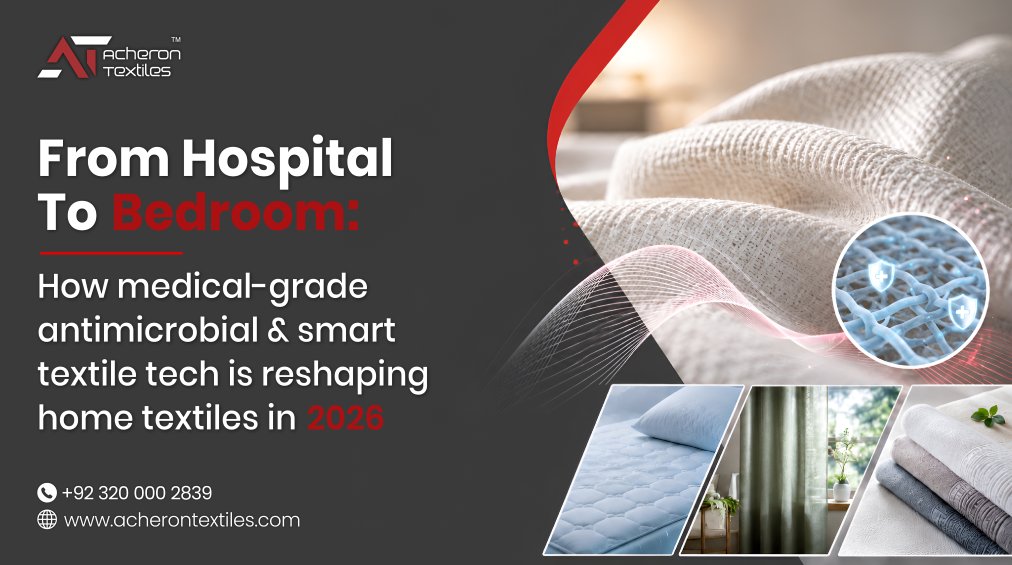
Home textiles have revolutionized over the past few years beyond their traditional roles of providing comfort, practicality and decor. In 2026, cutting-edge technologies, including medical-grade antimicrobial technology, performance fabrics, smart textile systems, and sustainable textile treatments, are redefining products such as kitchen linens, bedding, upholstery, towels, and curtains. This blog aims to explore how medical-grade antimicrobial and smart textile tech is reshaping home textiles in 2026. Let’s begin:
How Medical-Grade Antimicrobial Textiles Are Becoming Popular in 2026
Medical-grade antimicrobial textiles are specially designed engineered fabrics that suppress the growth and persistence of microorganisms on fabric surfaces. While such technologies were a staple for healthcare settings requiring strict contamination control, they’re now making their way into residential products. Some advanced technologies that are transforming the performance of antimicrobial and functionality of home textiles include:
Metal-ion Treatments
Silver and copper ions have long been valued for their antimicrobial properties by disrupting microbial cell function. Today, these technologies are woven or coated directly into consumer textiles, killing almost 99% of bacteria immediately on contact and increasing the lifespan of home textiles.
Nano-coatings
Nano-coatings are ultra-thin treatments that add anti-microbial, odor-fighting and water-proofing properties without significantly increasing their bulk. Hence, a plush towel or sofa can deliver enhanced hygiene while retaining a soft, comfortable feel.
Bio-Based Fibres
Naturally microbial bamboo-based fibres are further boosted with nano-coatings to approach hospital-grade levels of protection.
Self-cleaning Surfaces
Emerging functional textiles use nanotechnology-based finishes that repel liquids and break down organic stains with light exposure. These treatments minimize the buildup of residue and dirt, cutting down the need for intensive and frequent washing.
Applications of Medical Grade Antimicrobial Home Textile
Medical-grade antimicrobial home textiles have become crucial in home textiles because of the growing emphasis on household hygiene. People prefer products that are comfortable while also supporting cleaner and hygienic living environments. Some common applications include:
-
Hygienic bath and hand towels
-
Moisture-managing fabrics
-
Odor-resistant home textiles
-
Antimicrobial upholstery fabrics
-
Antimicrobial bedding and mattress fabrics
-
Infection-resistant apparel
How Smart Textiles Are Redefining Fabric Performance
While antimicrobial technologies focus on hygiene, smart textiles are defined by their responsiveness to the changes in surrounding environments. Rather than simply providing passive coverage, these advanced fabrics are engineered to actively respond to environmental variables such as moisture, temperature and body conditions.
Thermal Regulation
Temperature control is one of the biggest breakthroughs for bedding. Phase-change materials have moved beyond merely breathing and actively manage heat by absorbing excess warmth when a sleeper runs warm and releasing it when body temperature cools down. This self-adjusting capability creates a balanced sleeping environment and establishes “smart bedding” as a distinct product category in both residential and hospitality settings.
Personalized Comfort
Personalization has emerged as another area of smart textile innovation. Some new textile fabric blends are being engineered to respond to factors such as sleeping position and body shape. This approach moves bedding beyond the traditional one-size-fits-all bedding model.
Connected Textile Systems
Connectivity is also making its way into the room. Emerging technologies can link mattress sensors directly to the room’s climate controls. This enables bedding and HVAC to respond to each other automatically.
Sustainability
Sustainability has become an integral part of smart textile development. Manufacturers are combining recycled materials with phase-change technology, reducing water consumption by 40% compared to conventional manufacturing.
Odor-control Technology
Certain antimicrobial and advanced textile treatments can help minimize odors associated with microbial activity. The odor capture approach traps odor molecules within the fabric structure and prevents them from being released into the surrounding air. Therefore, it can be valuable for frequently used home textiles, including bedding, towels, and upholstery, that are regularly exposed to moisture and regular use.
A study revealed that 82% of people are likely to buy home textiles featuring no odor technology. These textile solutions are designed to keep fabrics fresher for longer by limiting the growth of fungi, mildew and other microorganisms. Also, 89% of those interested in no-odor products showed strong willingness to pay a premium for this added functionality.
Applications of Smart Textile Tech
Smart textile technology is a fusion of advanced fibres, phase-change materials, sensors, conductive components and responsive finishes, resulting in convenience, comfort and functional versatility. Key applications include:
-
Energy-efficient home furnishings
-
Smart bedding with temperature regulation
-
Fast-drying/performance towels
-
Self-regulating upholstery
-
Smart wound-dressings with micro-sensors
-
Moisture-wicking, odor control kitchen textiles
What to Consider When Choosing Advanced Home Textiles
When choosing medical-grade antimicrobial and smart home textiles, here’s what you must consider:
-
Textile composition: Check whether the fabric is made from cotton, recycled fibres, microfibers or blends.
-
Treatment Durability: Silver-ion, copper-ion and certain bio-based treatments have distinct washing requirements and durability.
-
Breathability and Moisture-control: Choose fabrics that effectively manage moisture and provide good airflow, especially for bedding and towels.
-
Care Instructions: Phase-change layers and nano-coatings can degrade faster with harsh detergents and/or high-heat drying, so always look for the manufacturer’s maintenance guidelines.
-
Certifications and Testing: Choose products that adhere to strict textile certification protocols.
Conclusion
The future of home textiles is shifting toward advanced, high-performance fabrics that combine durability, comfort, functionality, and hygiene. Antimicrobial treatments are gaining popularity in high-use household products, whereas smart textile technology may enable features such as adaptive thermal regulation, environmental monitoring and temperature sensing.
As technologies advance, manufacturing capabilities expand, and costs become more attainable, the shift from conventional passive fabrics to active, performance-driven textiles is expected to accelerate far beyond 2026.