



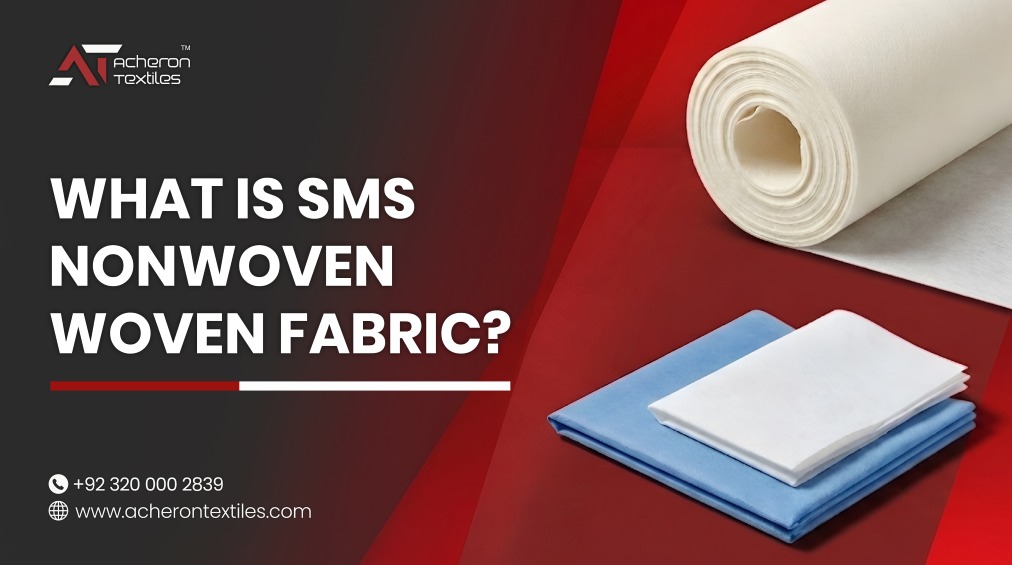
SMS Nonwoven fabric is one of the most widely used engineered materials in modern hygiene, healthcare, and industrial industries. This fabric is known for its excellent breathability, barrier protection, and absorbency, making it a popular choice for manufacturing products ranging from surgical gowns to filtration systems. If you’re interested in learning about SMS nonwoven fabric, its manufacturing process, and key characteristics, this blog is for you.
Understanding SMS Nonwoven Fabric
SMS stands for Spunbond-Meltblown-Spunbond, a name that describes the fabric’s three-layer structure. The material consists of two outer spunbond layers sandwiching a middle layer of meltblown fabric, all bonded together to form a single composite material. Unlike traditional nonwoven fabric, SMS fabric is not made by interlacing threads or yarns. Instead, it belongs to the broader category of nonwoven fabrics, in which fibres are directly bonded using pressure, heat, or chemical processes.
This engineered three-layered structure combines the strength of each layer. The spunbond provides mechanical toughness, while the meltblown core delivers superior liquid resistance and filtration efficiency. Together, these materials create a composite SMS fabric that performs better than either layer would alone.
Fibre Types Used in SMS Nonwoven Fabric
The performance of SMS fabric largely depends on the fibre types used in the manufacturing process. Some common fibres used include:
Polypropylene (PP)
Polypropylene is a thermoplastic polymer, the most commonly used fibre for SMS fabric, that is prized for:
-
Excellent chemical stability
-
Exceptional moisture resistance
-
Ease of processing
-
Cost-effectiveness
-
Lightweight properties
Polyester (PET)
Polyester fibre is generally useful in conditions when improved strength and temperature resistance are required.
Biodegradable Options
Biodegradable options such as Polyactic Acid (PLA) are also great alternatives, often used alongside polypropylene to meet specific performance requirements or sustainability objectives.
However, different layers of SMS fabric are made from distinct types of fibres to create a material that balances protection, durability, and filtration performance.
-
Spunbond fibres are continuous filaments that are relatively thicker and provide durability and tear resistance to the outer layer.
-
Meltblown fibres are ultra-fine, often measuring a few microns in diameter, and create a dense, intricate network that delivers exceptional filtration and liquid-barrier performance.
Manufacturing Process of SMS Nonwoven Fabric
The manufacturing process of SMS nonwoven fabric involves several advanced multi-stage processes. It typically runs as a “one-step”, “two-step”, or “one-and-a-half-step” line configuration depending on how the sounbodn and meltblown layers are combined.
Spunbond layer formation
Propylene chips are melted and extruded into long filaments. These filaments are then stretched into strong fibres using high-velocity air. Afterwards, it is cooled and deposited onto a moving conveyor belt to form a loose web for the first and third layers.
Meltblown layer formation
In the middle layer, molten propylene is extruded through ultra-fine nozzles and immediately subjected to high-temperature, high-velocity air. This results in the production of ultra-fine fibres, which are then deposited between the spunbond layers, building up a dense Porous mat.
Layering and bonding
The three layers are combined using specialized bonding techniques, including thermal or ultrasonic bonding. This bonding process locks the three layers into a single cohesive sheet, resulting in a composite fabric with excellent barrier and mechanical performance.
Finishing
The SMS nonwoven fabric then undergoes additional processes, such as antimicrobial treatment, heat setting, or surface treatments, to improve its appearance, texture, and properties.
The entire manufacturing process operates at extremely high speed, which is why it is affordable enough for widespread use in single-use and disposable products.
Bonding Techniques in SMS Nonwoven Fabric
Bonding is a process that transforms a loose web of fibres into a functional, usable fabric. The bonding technique used plays a vital role in determining the end product’s strength, flexibility, texture and overall performance. The most common bonding techniques include:
Thermal bonding (Calendering)
This process uses heated rollers under high pressure to bond the web. The spunbond and meltblown layers are fed between these heated metal rollers (calenders) and a patterned or solid roll to join them while preserving the fabric’s porous structure and breathability. Typically, one roller has an engraved pattern while the other has a smooth surface, creating a point-bonded fabric that is softer and more flexible.
Ultrasonic bonding
In this technique, ultrasonic energy or high-frequency vibrations are used to generate localized heat through friction. This process melts the thermoplastic fibres together without external heat, creating strong bonds without compromising the fabric’s integrity. This bonding method is commonly used for edge sealing, quilting, or assembling SMS into finished products such as surgical drapes, medical gowns, and face masks.
Key Characteristics of SMS Nonwoven Fabric
Absorbent properties
SMS nonwoven fabric is highly absorbent, making it valuable in hygiene and disposable medical products. While spunbond outer layers are highly water absorbent, the ultra-fine, densely packed fibres of the meltblown core allow the fabric to manage and wick moisture effectively through capillary pathways. Moreover, this balanced combination allows the SMS fabric to resist penetration by bulk liquid while ensuring controlled moisture management.
Breathable material
Despite the liquid-resistant nature of SMS nonwoven fabric, it remains highly breathable and air permeable. Also, it combines high filtration efficiency, strength, breathability, and lightweight construction, which are generally difficult to achieve in woven textiles. The microporous structure formed by the meltblown layers allows water vapour and air to pass through while blocking liquid droplets and particulates.
Chemical resistance
The multi-layer structure of SMS fabric offers exceptional chemical resistance, making it valuable for industrial protective clothing that is usually exposed to harsh chemicals. Since propylene is highly inert to many acids, alkalis and solvents, SMS nonwoven fabric is essential where exposure to chemicals and particulates is a concern.
Heat resistance
SMS nonwoven fabric demonstrates good heat resistance, making it compatible with standard sterilization methods, particularly low-temperature autoclave cycles and ethylene oxide treatment. However, propylene has a melting point in the 160–170°C range, so SMS fabric is not suitable for prolonged exposure to high-heat industrial environments or extreme temperatures.
Durability testing
To ensure reliable performance, SMS fabric undergoes a series of standardized durability tests to determine its suitability for specific applications. These tests include:
-
Tear resistance testing
-
Tensile strength testing
-
Hydrostatic pressure testing
-
Abrasion resistance
-
Air permeability
These evaluations are valuable for maintaining consistent quality across production batches. Additionally, it is primarily important in highly regulated industries including healthcare and medical device manufacturing.
Composite Materials and Design Flexibility
SMS fabric is inherently a composite material, but it often combines with other materials to create products with specialzied characteristics. For instance, it can be laminated with a film layer for a completely impermeable barrier or blended with cellulosic fibres to boost absorbency.
Moreover, one of the advantages of SMS fabric is its exceptional design flexibility. This three-layered structure can be engineered to produce a wide range of products, from lightweight, breathable face masks to heavy-duty, robust protective coveralls.
Mechanical properties
The three-layered structure of SMS fabric is specifically engineered to achieve a balanced set of mechanical properties. The outer spunbond layers provide durability, strength, abrasion resistance, and tear resistance while the core meltblown layer boosts filtration and barrier performance. Moreover, by adjusting factors such as basis weight, fibre denier, and bonding patterns, manufacturers can tailor mechanical properties, including tensile strength, tear resistance, and elongation.
Antimicrobial treatment
SMS fabric frequently receives antimicrobial finishes during the final stage of manufacturing. These antimicrobial treatments use silver-based compounds, quaternary ammonium compounds or other specialized additives that actively inhibit bacterial or fungal growth on the fabric’s surface. As a result, these finishes enhance the hygiene integrity of critical products such as surgical gowns, masks, and wound care products.
Common Applications of SMS Nonwoven Fabric
SMS Nonwoven fabric is valuable in a wide range of sectors including:
Medical and healthcare: Face masks, medical drapes, surgical gowns, and sterilization wraps.
Industrial protective wear: Filtration media, protective coveralls, and packaging materials.
Hygiene Industry: Feminine hygiene products, baby diapers, adult incontinence products
Agriculture: Plant protection sheets, crop covers.
Conclusion
SMS Nonwoven fabric is a highly engineered fabric that combines comfort, strength, and protection in a single structure. Whether you need a breathable material for protective clothing, absorbent fabric for hygiene applications, or a chemically resistant barrier for industrial applications, SMS can be engineered to meet your specific demands. SMS nonwoven fabric is a highly valuable material across various industries due to its breathability, durability, and customizable performance characteristics.