



What is a Surgical Drape?
A surgical drape is a sterile sheet placed over a patient during a medical procedure to create a sterile field. It separates the incision site from non-sterile areas, including medical equipment, the surgical team, and the operating room tables. This helps prevent infection. They are generally made of two common materials, including:
-
Non-woven materials (SMS): They are multi-layered fabrics designed to combine strength and barrier protection. They offer high fluid resistance and are single-use/disposable surgical drapes.
-
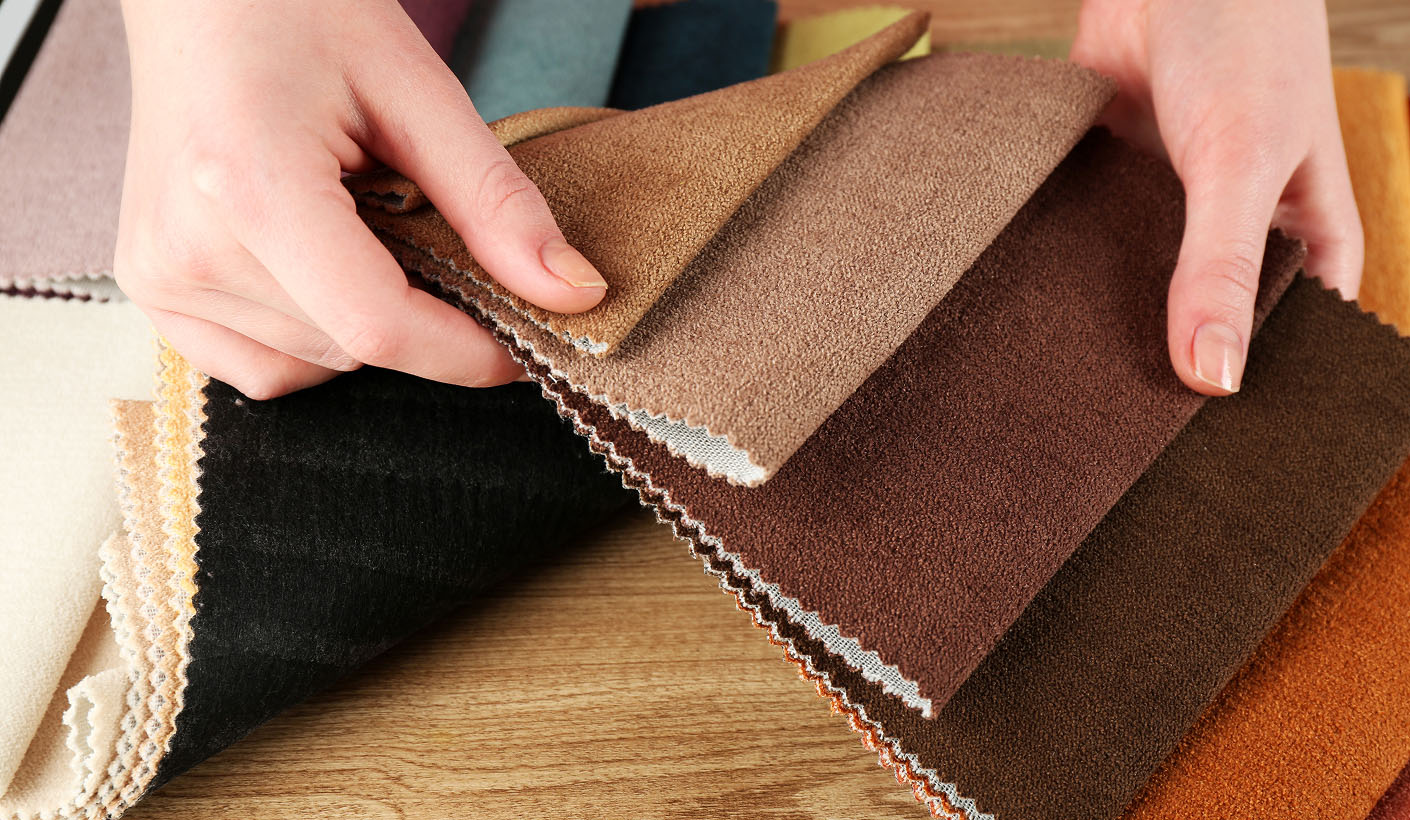
Woven materials (tight-weave cotton or polyester blends): These are primarily used to create reusable surgical drapes (also called surgical drape cloth), offering excellent durability and comfortable drapeability. They can be washed, sterilized, and reused multiple times.
Purpose of Surgical Drapes
Surgical drapes are designed to create and sustain a microorganism-free sterile environment around the surgical site. These drapes prevent exposure to the unsterile surfaces by covering both the patient and the nearby equipment. This protective barrier helps contain endogenous microorganisms from the patients’ skin while blocking external contaminants from the operating room.
Additionally, medical drapes must meet several specific physical properties to perform effectively:
-
Resist fluid penetration.
-
Withstand the physical stress of lengthy procedures.
-
Stay securely in place without damaging the patient's skin.
-
Block bacteria and microorganisms from passing through the material.
-
Reduce the risk of Surgical Site Infections (SSI’s).
Disposable vs Reusable Surgical Drapes
The first decision is usually whether to choose the disposable or the reusable version of the surgical drapes.
-
Disposable Surgical Drapes
Disposable Surgical Drapes are typically made from nonwoven synthetic materials and engineered for single-use applications. The non-woven fabric is produced by bonding fibres through mechanical, chemical, or thermal processes, which results in a flexible, lightweight, and highly fluid-resistant barrier.
-
Pros: Minimizes the risk of cross-contamination since they are single-use, lightweight and excellent fluid resistant.
-
Cons: Higher procurement costs, contributes to environmental waste.
-
Ideal for: Orthopedic, Cardiac, transplant and other high-risk procedures where maintaining a sterile field is crucial.
-
Reusable Surgical Drapes
Reusable Surgical Drapes are made from woven materials such as tightly woven cotton or cotton-polyester blends. They offer familiar, comfortable drapeability that many surgeons appreciate. These drapes provide excellent durability and a cost-effective solution for healthcare facilities.
-
Pros: Softer drapes, lower lifetime costs, and eco-friendliness.
-
Cons: Depends on strict sterilization and laundering protocols, barrier effectiveness may degrade over repeated use, making them susceptible to fluid penetration.
-
Ideal for: Veterinary procedures, outpatient clinics, and surgeries involving low to moderate fluid exposure.
Key Types of Surgical Drapes
Within the two major categories above, surgical drapes are further classified by their placement, configuration, and clinical application. Every surgical drape is designed to address specific surgical challenges and anatomical areas.
-
Fenestrated Drape
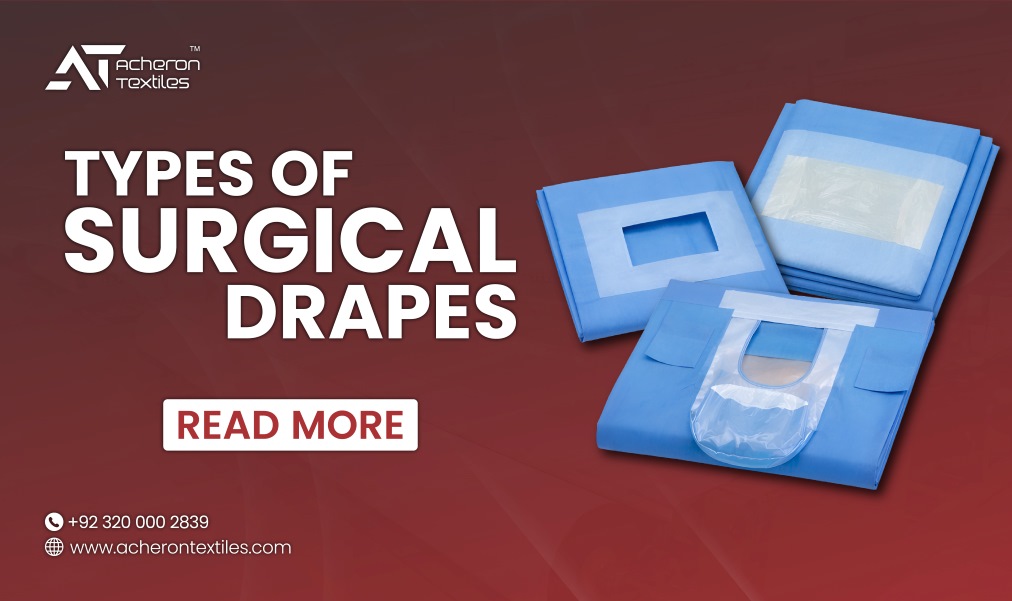
One of the most versatile and recognized names of surgical drapes in the OR is the Fenestrated drape. This drape features a pre-cut opening or ‘fenestration” that frames the operating site precisely while covering the rest of the patient’s body. Fenestrated drapes are preferable in surgeries that require high precision, such as ophthalmic, orthopaedic, laparotomies and craniotomies, etc., where the focus is entirely on the affected region while ensuring sterility.
-
Incise Drapes
Incise drapes are thin, transparent adhesive drapes applied directly to the patient’s skin at the surgical site. They are coated with medical-grade adhesive to provide a consistent sterile barrier and minimize the risk of microbial contamination throughout the procedure. Surgeons make initial cuts directly through the film to maintain a continuous sterile barrier. Many advanced incise drapes incorporate antimicrobial agents, such as iodine, to enhance infection control.
-
Adhesive Drapes
Adhesive drapes have built-in pressure-sensitive adhesive strips that stick directly to the patient’s skin around the incision. Surgeons cut through the drape, providing extreme protection and keeping flora in place that might otherwise migrate into the skin wound. These drapes are useful in complex, long operations, including cardiovascular and orthopaedic surgeries.
-
Split Drapes
Split drapes have pre-guided openings, or “splits,” to accommodate specific instruments or anatomical areas. They are commonly used in procedures involving extremities or the head, where controlled, precise access is crucial. The split design ensures easy access to the site and keeps surrounding areas protected.
Specialized Names of Surgical Drapes
Beyond the general categories of surgical drapes, many healthcare environments rely on the highly specialized drapes designed for specific procedures. Understanding these types is important as it allows the surgical team to quickly select and prepare the right equipment for the job.
-
Laparotomy Drapes: These drapes are large, with a longitudinal opening, and are particularly designed for abdominal surgeries. They often include built-in fluid-collection pouches to effectively manage blood and irrigation fluids.
-
Lithotomy Drapes: These drapes are designed to accommodate the patient's position in stirrups while ensuring a strict sterile barrier, especially for gynaecological and urological procedures.
-
Extremity Drapes: These drapes are designed with elasticized fenestrations to easily fit over the arms or legs, providing a secure seal that isolates the limb for orthopaedic or vascular procedures.
-
Craniotomy Drapes: These drapes feature fluid-collection pouches and specialized adhesive areas to secure the drape around the scalp during neurosurgical procedures.
How to Choose the Right Surgical Drape?
Selecting the right surgical drape is essential for preventing infections, maintaining sterility and ensuring smooth surgical workflow. The ideal choice of surgical drape depends on several factors, including:
-
Procedure type and fluid volume: For high-risk, high-fluid-exposure surgeries, high-barrier disposable drapes are best. For minor/outpatient procedures with low fluid requirements, standard disposable or reusable options are considered.
-
Sterility and cost-effectiveness: Reusable drapes are budget-friendly and sustainable. They can be reused after strict sterilization protocols following each use.
-
Barrier protection: SMS nonwoven materials offer high bacterial barrier efficiency.
Where to Find the Best Types of Surgical Drapes?
Acheron Textile offers high-quality surgical drapes that meet the strict demands of modern operating rooms. We manufacture disposable and reusable drapes using premium materials. These provide excellent fluid resistance, durability and microbial protection during lengthy procedures. We offer a wide range of procedure-specific products, including laparotomies, fenestrated and extremity drapes. We also provide drapes for high-risk specialties like gynecology, orthopaedics, and cardiovascular procedures.
Conclusion
From simple surgical drape cloth to advanced sterile drapes, the primary goal is to protect the surgical team and patient. By understanding different types and their applications, healthcare providers can reduce surgical site infections (SSI’s).
The true standard of excellence is achieved when high-quality protective barriers combine with long-lasting performance in the most demanding surgical settings. At Acheron Textile, we manufacture and supply a comprehensive range of highly reliable surgical drapes trusted by healthcare institutions globally. By choosing the right surgical drapes, hospitals can seamlessly improve procedural efficiency, reduce the risk of complications, and deliver the best possible outcomes for their patients.