




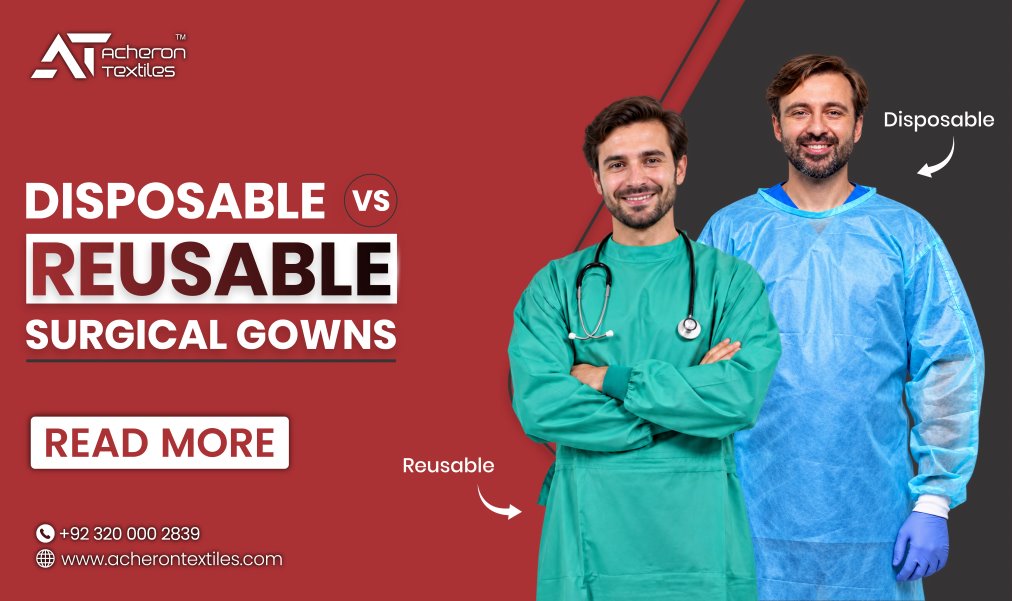
Choosing the right Personal Protective Equipment (PPE) is integral to modern healthcare settings. Among these essentials, surgical gowns provide a vital barrier against pathogen transmission and fluid exposure, helping maintain the highest level of hygiene. Disposable and reusable surgical gowns protect healthcare staff and patients from potentially infectious materials, but they differ in materials, cost, and other factors. This blog explores disposable vs. reusable gowns, their distinct features, pros and cons, key differences, and factors to consider before you decide.
What Are Disposable Surgical Gowns
Disposable, or single-use, surgical gowns are designed for one-time use and discarded immediately after use. They are typically made from non-woven materials such as spunbond polypropylene, SMS (Spunbond Meltblown Spunbond), and polyethylene, which ensures higher fluid protection.
Adavantages
-
Fluid-resistant fabric
-
Single-use design
-
Consistent quality
-
Lower infection control handling risk
-
Convenient to store
-
Available in different protection level configurations
Limitations
-
Higher waste disposal
-
Breathability trade-offs
-
Recurring purchase costs
What are Reusable Surgical Gowns
Reusable surgical gowns are designed to withstand repeated use and frequent laundering. They are typically made from woven or knitted medical textiles, often tightly woven polyester or polyester-cotton blends, microfibre materials, or high-grade cotton. Unlike disposable surgical gowns, reusable surgical gowns must be washed and sterilized after every use using standardized methods while maintaining their protective properties.
Advantages
-
Reduced waste
-
Potentially lower cost per use
-
Durable construction
-
Better comfort options
-
Washed and reused many times
-
Eco-friendly
Limitations
-
Laundering and reprocessing cost
-
Higher upfront investment
-
Performance monitoring for damage or loss of protective barrier
Disposable vs Reusable Surgical Gown Comparison
Here are a few key factors that distinguish disposable and reusable surgical gowns:
Material and Construction
Disposable surgical gowns are made from nonwoven, lightweight fabric such as SMS, which balances liquid resistance and breathability. Reusable surgical gowns are made from advanced synthetic materials or woven fabrics that offer good moisture management and better comfort during lengthy procedures.
Infection Control and Hygiene Considerations
Both disposable and reusable surgical gowns play a valuable role in infection control. However, disposable surgical gowns suit high-risk procedures because they provide immediate pathogen containment. Properly sterilized and well-maintained reusable surgical gowns offer reliable protection in routine, low-risk settings.
Protection Level
During surgical procedures, healthcare professionals encounter blood, bodily fluids, and other potentially harmful materials. Disposable surgical gowns offer stronger resistance to fluids and blood and are discarded right after use, ensuring maximum protection in high-risk environments.
Reusable gowns, however, can lose strength after repeated washing and provide better protection in moderate-risk environments. To maintain the consistent performance of reusable gowns, a tracking system counts processing cycles, and staff perform a thorough inspection for damage afterward.
Cost Comparison
Disposable surgical gowns cost less initially, making them a more economical choice for high-risk settings and short-term use. Disposable gowns generally become more expensive over time because of recurring purchases.
Reusable surgical gowns require a higher upfront investment but are more cost-effective in the long run. Reusable surgical gowns can be used repeatedly as long as they perform reliably and stay within their validated service life.
Environmental Impact
Disposable surgical gowns generate recurring waste and packaging that require specialized medical disposal, raising environmental concerns. Reusable surgical gowns help minimize garment waste, reducing landfill volume over time.
However, the environmental footprint of reusable gowns depends heavily on the water, energy, and chemicals required for processing and laundering.
Disposable vs Reusable Surgical Gowns – Comparison Table
|
Factors |
Disposable Surgical Gown |
Reusable Surgical Gown |
|
Material |
Non-woven, SMS fabric |
Woven, knitted medical textile |
|
Usage |
One-time use only |
Designed for repeated use |
|
Cleaning |
Not applicable |
Requires validated reprocessing and laundering |
|
Fluid resistance |
High |
May wear with repeated cycles |
|
Cost over time |
Higher |
Lower |
|
Durability |
lower |
Higher, withstands repeated washing cycles |
|
Hospital procurement |
Storage space, supply continuity, backup suppliers, waste disposal fees |
Replacement cycles, reprocessing partner quality, logistics |
|
Best suited for |
High-risk environments, infectious disease departments, isolation wards, emergency wards |
Low to medium-risk environments, pathology and clinical labs, general wards, outpatient departments and diagnostic centers |
|
Waste and sustainability |
Higher medical waste volume |
Lower solid medical waste |
Key Considerations before Selecting a Surgical Gown
Healthcare facilities should consider the following factors before choosing disposable or reusable gowns to ensure comfort, appropriate protection, and cost-efficiency.
-
Comfort and gown breathability for adequate airflow and reduced heat buildup.
-
Gown fit and sizing for a secure and comfortable fit.
-
Material and fabric type to maintain optimal performance.
-
Cost and budget.
-
Level of protection for appropriate barrier against exposed risk
-
Fluid resistance to help resist penetration by blood and fluids.
-
Environmental impact.
-
Infection prevention, hygiene and reprocessing.
Conclusion
Both disposable and reusable surgical gowns have their distinct advantages and limitations. Disposable gowns offer convenience and consistency, while reusable surgical gowns offer long-term cost benefits and environmental advantages. The ideal choice between disposable and reusable surgical gowns depends on the facility’s operational requirements, clinical needs, and compliance with applicable regulations.
At Acheron Textile, we manufacture and supply a comprehensive range of highly reliable surgical gowns trusted by healthcare institutions globally. From reinforced surgical gowns for better barrier protection to non-reinforced gowns for greater comfort, we offer a wide range of disposable and reusable options to suit your requirements. By choosing the right surgical gowns, hospitals can improve procedural efficiency, reduce complication risk, and deliver the best possible outcomes for their patients.